
Philly-Based Barakka Bridges Cultures Through Their Music
By Elissa Odeh
August 5, 2025
In 2005, oud player Roger Mgrdichian was performing Middle Eastern folk and classical music with Lebanese darbuka player Joseph Tayoun at a Turkish restaurant in Old City, when he met Turkish heavy metal guitarist Barış Kaya. Kaya joined the duo and they started playing together, experimenting with their different musical styles. The trio was later joined by Tayoun’s brother, William Tayoun, on keyboard and piano. And what began as background music for diners soon evolved into Barakka, a multicultural band that introduced a bold mixture of Turkish folk, Anatolian rock, Middle Eastern classics and Western instrumentation to Philadelphia audiences.
Led by Kaya, the band takes its name from a 1992 documentary film called “Baraka” that explores cycles of life, spirituality and human connection. The word itself—baraka—means “blessing” in Arabic. “I think the name fit perfectly because music is connected to everything we experience in life,” said Kaya.
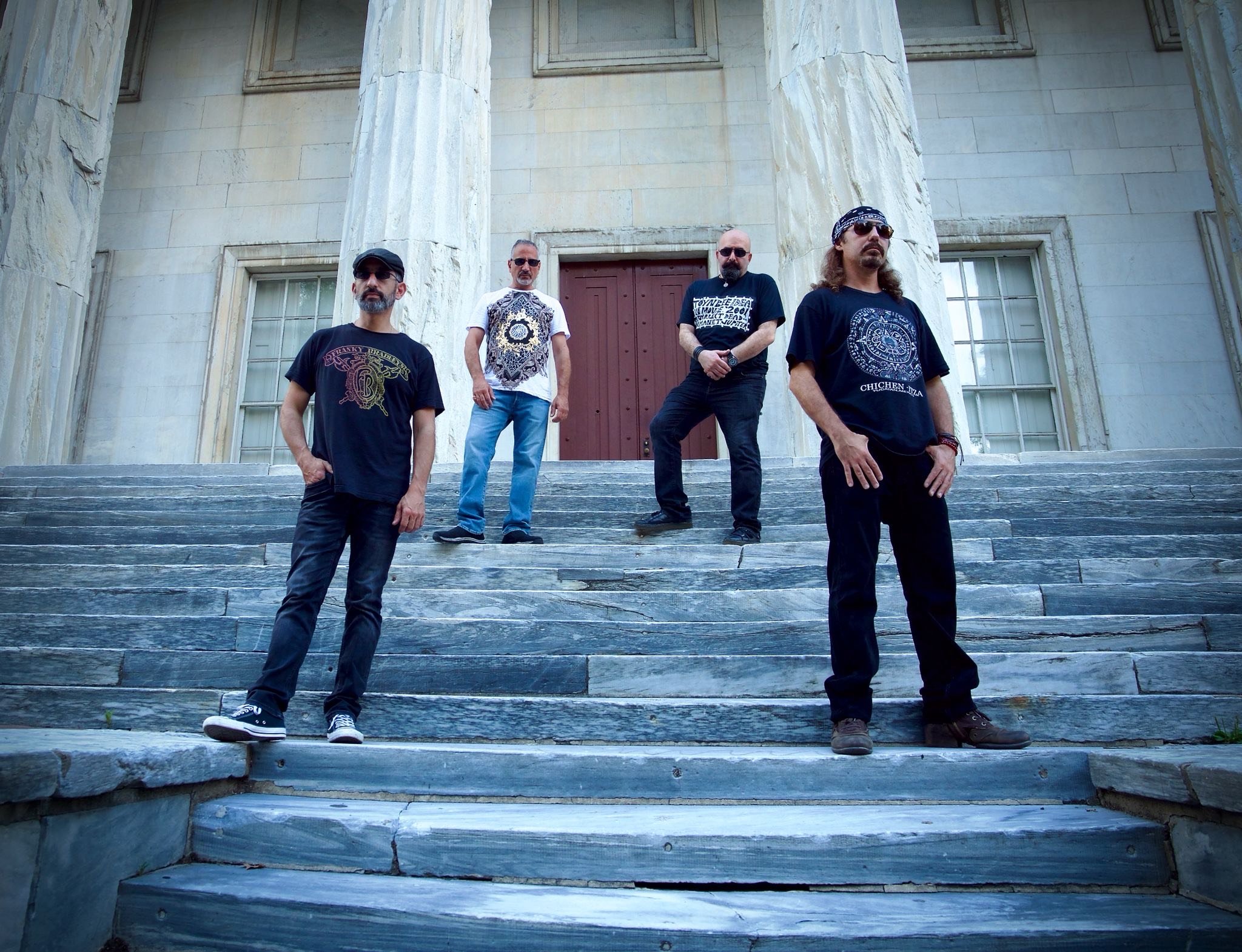
The members of Barakka (left to right): William Tayoun, Joseph Tayoun, Roger Mgrdichian and Barış Kaya. Philadelphia, 2019. Photo: Andrew Geller
A native of Istanbul, Kaya grew up captivated by bands like Metallica and Guns N’ Roses during the 1990s surge of American rock in Türkiye. “We always had Anatolian rock, but when you see something different as a teenager, it pulls you in,” he said. Years later, he would be blending the modern Western sounds he was immersed in with Mgrdichian’s traditional Middle Eastern folk.
Mgrdichian’s contribution to the band was shaped by his own lineage. Born and raised in Philadelphia, his grandparents survived the Armenian Genocide during World War I and fled to the U.S. from Anatolia, bringing with them their love of traditional Armenian music. “We [in the diaspora] were playing old Armenian folk music, while Armenians in Armenia and Beirut were moving toward more modern and electronic sounds,” Mgrdichian said.
According to Mgrdichian, this led to some tensions, as Armenians in the diaspora who continued to play traditional folk music faced criticism, particularly by those in Armenia, for performing songs that resembled Turkish styles. “Some would say you’re not supposed to acknowledge anything related to Türkiye,” he said.
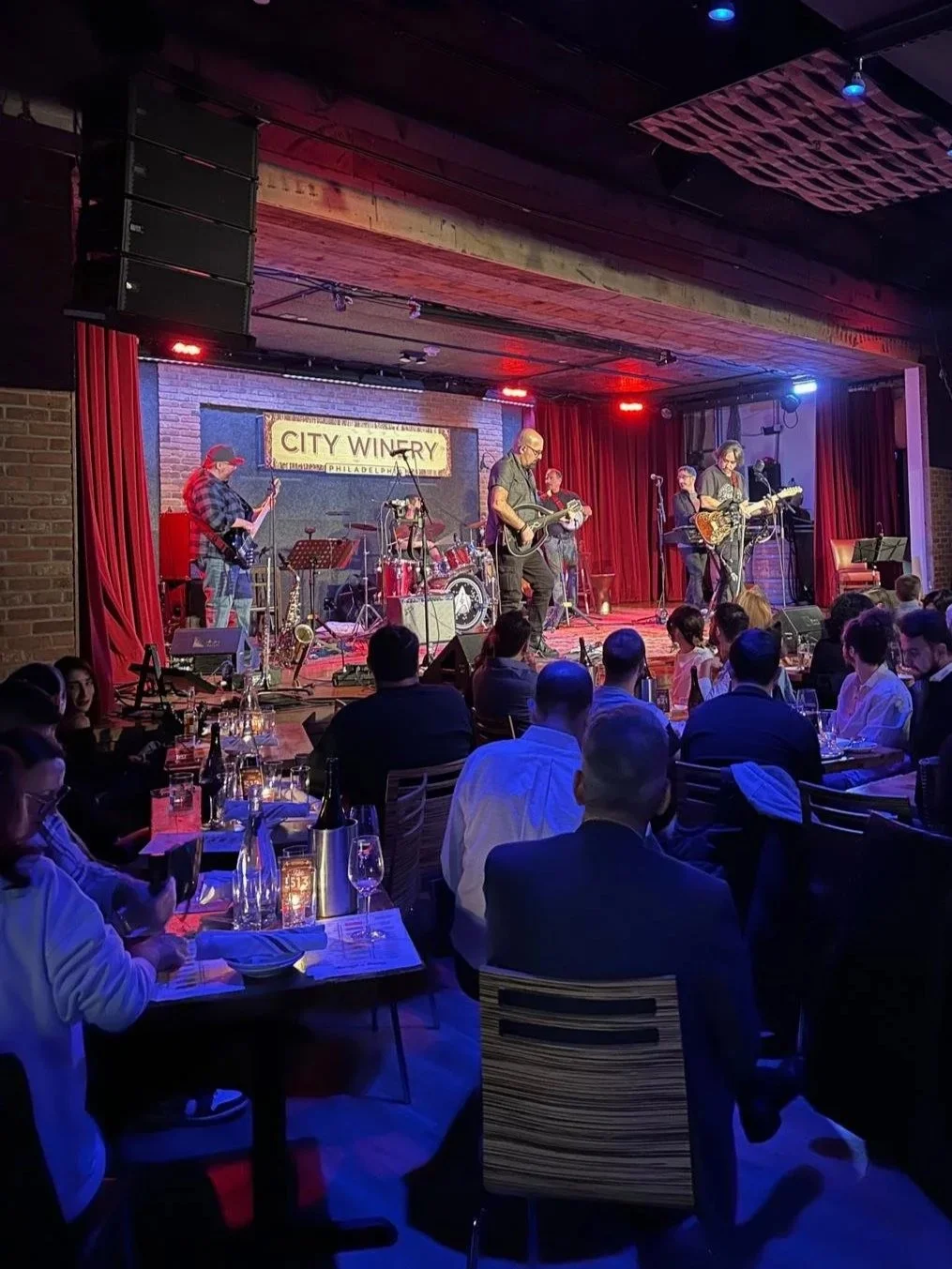
Barakka performing at City Winery Philadelphia in 2023. Photo: Andrew Geller
But the members of Barakka have quietly resisted these historical barriers and embraced the uniqueness of Eastern traditional folk music for its emotion, expressiveness and rich lyricism. As the group experimented, they found that their distinct influences blended perfectly.
Since 2008, Barakka has performed at venues across Philly, including Ruba Club, the Penn Museum, Wells Fargo Center, Hard Rock Café and City Winery. In 2014, the band toured Türkiye for the first time. Mgrdichian describes Istanbul as a “melting pot of multiculturalism” that includes many Turks with Armenian ancestry. “It was a crazy dichotomy between old and new. Everything that a city could give you, crammed into one place full of contradictions.”
They have also taken the stage at cultural festivals like the 2017 YallaPunk Festival in Fishtown, the 2024 Philadelphia Turkish Day Festival and New York’s 2025 Balkan Festival. Audiences respond to Barakka’s original songs with enthusiasm, even when they are not Turkish. “People have come up to us and said that they didn’t understand a single word, but they loved the music,” said Kaya.
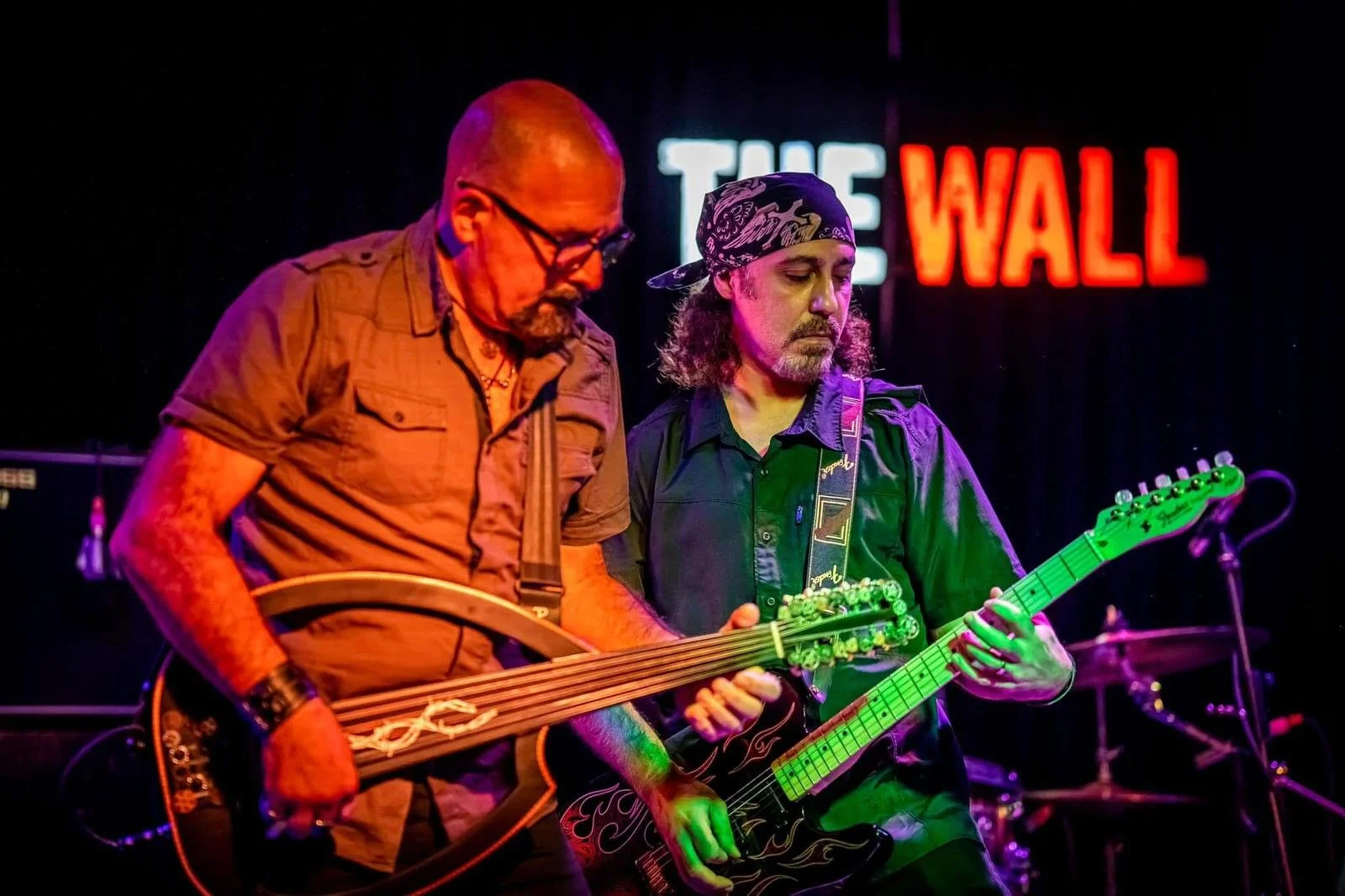
Roger Mgrdichian (left) and Barış Kaya during a 2022 Barakka show at The Wall in Istanbul. Photo courtesy of Barakka
As the band has discovered, music transcends political and cultural barriers. Barakka can play a series of songs from historically divided cultures, Mgrdichian said, “but when there are no lyrics, everyone hears what they want to hear and feels something different. The emotion is conveyed in the melody itself.”
Barakka’s members take pride in defying expectations. When they perform, they find common ground for all of their identities—Turkish, Armenian and Lebanese. Kaya believes that playing multicultural music builds bridges that overcome division. “[It] is a powerful tool,” he said.
In their song “Ağıt” (“Lament”)—an anti-war anthem Kaya wrote for their 2012 debut album “Uzaklardan” (“From Afar”)—the band calls for unity over division, repeating the line, “There must be another way.” For Kaya, these words reflect his belief in another reality—one that does not rely on hating those with different religions or ethnicities. “We only get one life, and it is such a waste if we spend it in hate.”
Alongside their gigs in Philadelphia and New York City, Barakka is working on releasing new singles that bridge different musical traditions. “We are trying to represent our band and our diverse cultures in the best image possible,” Kaya said.
***
Elissa Odeh is a Palestinian journalist from Lansdale, PA. She graduated from West Chester University with a BA in media and culture and a minor in journalism. Her work has been published in Lehigh Daily, Daily Local, and the New Orleans Review.