LGBTQIA+ Immigrants in Philadelphia Find Refuge and Community at Asylum Pride House
Story and photos by Amna Khalafalla
June 18, 2026
On August 17, 2024, Nabil, a 24-year-old Moroccan man, crossed the U.S. border from Nuevo Leon, Mexico, into Texas, where Customs and Border Patrol (CBP) stood waiting for him. Nabil was taken to a detention facility where he was told to sign a document stating that if he returned to Morocco and remained there for five years, he would be eligible to apply for a visa to come to the U.S. in the future.
But Nabil, who is gay and asked to remain anonymous, knew the consequences of signing that document. “I told them, no, I’m here for asylum, and I want to ask for asylum,” he said. After a lengthy, squinting stare from the CBP officer, Nabil was told to wait for another officer to come to begin the process of filing for asylum.
Nabil endured 17 days in detention and interviews with seven officials — a judge, ICE and FBI agents among them — to determine the legitimacy of his asylum claim. Each interview lasted four to five hours. Finally, in a fatigued state, Nabil heard the words, “You have the right to be in the United States, but you must apply for asylum and complete the process.”
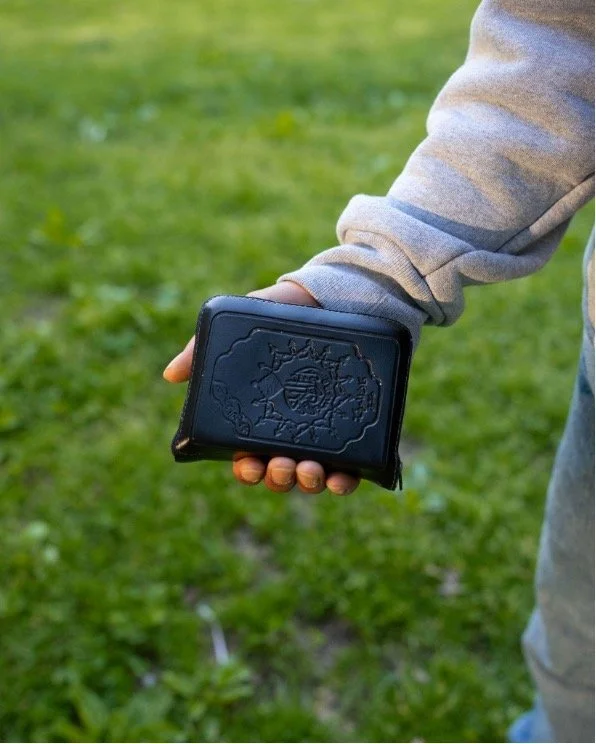
Before leaving Morocco, Nabil took a leather-bound Mushaf, a Quran, from his parents’ home. He carried it throughout his journey to the U.S. border. All photos by Amna Khalafalla
Nabil was released without bond and granted a temporary stay to complete his asylum application. In order to be released, he was required to find a sponsor who could provide him with housing, food and other basic necessities. Luckily, Nabil’s aunt in South Carolina was able to sponsor him.
Nabil was given a year from the day that he was granted the temporary stay to submit his asylum claim with the help of a lawyer. The lawyer his aunt helped him find turned out to be inconsistent and unresponsive, threatening Nabil’s situation. If an asylum seeker’s application is not filed within a year, they can be barred from receiving asylum and are at risk of expedited removal, whereby immigration officials can summarily deport individuals without a court hearing.
“As of September 2025, there are 3.9 million asylum applications awaiting processing in the U.S., including 2.4 million pending in immigration courts.”
Accounts from women and children detained at the South Texas Family Residential Center in Dilley, Texas, reveal that psychological trauma, limited language access and medical issues can make it very challenging for asylum seekers to complete their asylum application within the one-year deadline.
Nabil was uneasy about the two months that he had remaining to complete his asylum application. He had spent 10 months in South Carolina, passing time with his cousins and getting to know the sandy resort city where his relatives lived. But the lack of a reliable lawyer to submit his documents was a major roadblock. It was then that Asylum Pride House (APH) in West Philadelphia became his lifeline.
Referred by a relative, Nabil left South Carolina for Philadelphia, where Asylum Pride House has been providing housing and case management to newly arrived LGBTQIA+ asylum seekers since 2022.
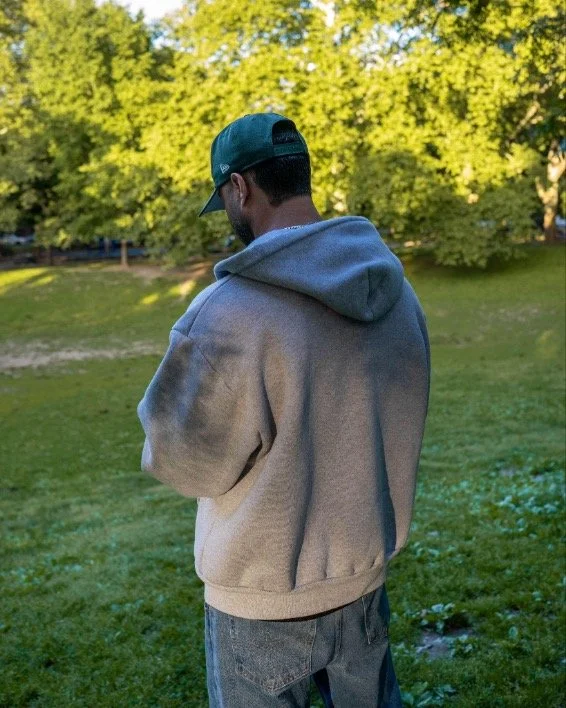
“Waiting feels like you have wings, but those wings are being held back by someone,” Nabil said about enduring the wait to hear whether his asylum application had been approved.
A Place to Start Over
APH founder Victoria Sirois was the first to attempt a housing provision-centered model for refugee and asylum services in Philadelphia. LGBTQ+ individuals often seek asylum in the U.S. because their sexual or gender identity puts them at risk in their home countries. Most arrive with no support networks or community.
“There's this big assumption when you're working with immigrant communities that recently arrived folks generally get housing support, financial support from family, friends or other immigrant communities. That is historically not the case for LGBTQIA+ immigrants,” Sirois said. “They do not have families that they feel safe going to. They definitely don't have many friends in the U.S. They are very fearful of going to other immigrant communities.”
As the Trump administration continues to overhaul immigration policies and gut services for immigrants and refuees, APH’s work has become increasingly important. While there is a lack of data on the number of LGBTQIA+ asylum seekers, as of September 2025, there are a total of 3.9 million asylum applications awaiting processing in the U.S., including 2.4 million pending in immigration courts.
Before establishing APH, Sirois spent 10 years working with local and national immigration organizations. Siroir cites her work with the Sisters of St. Joseph, a sponsor organization in immigration services, as the catalyst for launching APH. The Sisters also provided seed funding. Since then, APH has received additional funding and support from other organizations and from private donations. APH maintains a core team of two: Sirois and a full-time case manager to provide tailored support to asylees to navigate their asylum cases.
Sirois, who identifies as LBGTQIA+ and experienced housing insecurity with her family when she was young, has a personal connection to this work. She finds it gratifying to interact with asylees at such a pivotal time in their lives.
“It's a time where our clients are really exploring themselves and understanding what it's like to be coming out to the community and to people around them,” Sirois said. “I think that's a very special thing to see people grow into themselves that a lot of folks don't really get to see.”
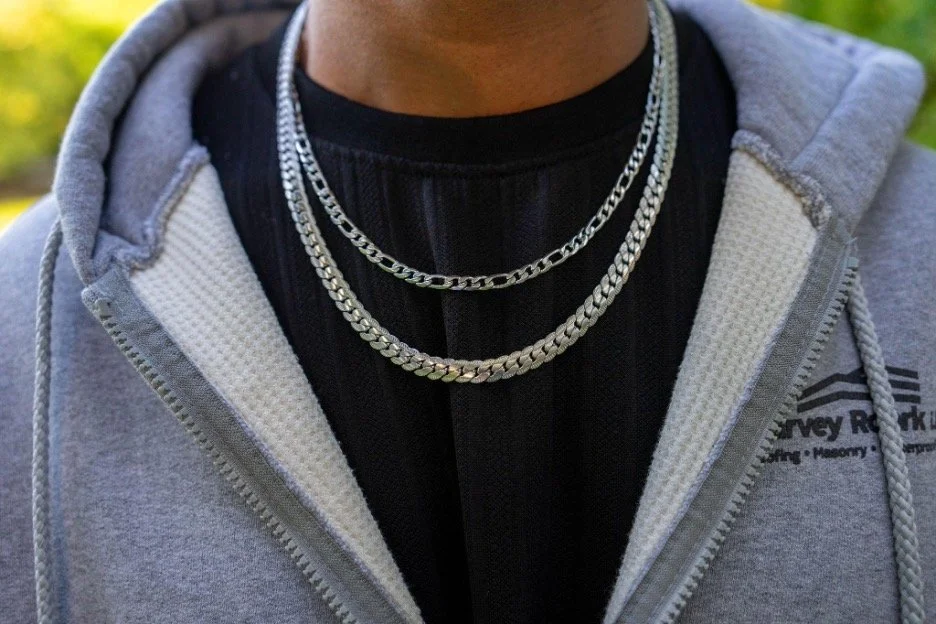
Since its founding in 2022, Asylum Pride House has served LGBTQIA+ asylum seekers from 40 different countries.
Asylum Pride House provides clients with legal support, clothing and food, help with cultural acclimation through WRAPP, or Wellness for Recently Arrived Persons, English language learning and a room in APH’s five-bedroom house. The organization puts an emphasis on building trust and fostering relationships among the members of the house.
“We do a lot of community-building activities to make it easier for folks to navigate living together.” Residents usually stay for six to 12 months until they can transition to their own living situation. When APH is unable to provide support to a newly arrived individual, they work with partner organizations to place them in a housing program. Demand exceeds APH’s capacity, so they maintain a waitlist.
Sirois has ambitious goals for the organization’s future, including a bigger space, increased case management and housing and, ultimately, the ability to support more individuals. Her biggest goal is to see APH replicated throughout the country to meet the needs of all LBGTQIA+ asylum seekers.
“You Feel Empty, Just Waiting”
Nabil recalls the day he decided to leave his aunt’s house in South Carolina and set out on his own. He felt as though a stressful period of his life had begun. He had an impending in-person court date amid headlines about ICE agents detaining asylees after leaving the Federal Plaza Immigration Court in New York City. He feared he would be one of those cases and tried to make peace with the possibility. His anxiety grew as detentions increased across the country, making him fearful of stepping outside to do things like grocery shopping.
Currently, Nabil is waiting for the next step in his asylum application. He does not know how long he will have to wait, given the backlog at U.S. Citizenship and Immigration Services. “You feel empty, just waiting,” he said. But despite his unease about his case, Nabil is hopeful for his future. He will be eligible to apply for a work permit once 180 days have passed since he submitted his asylum application, and he is looking forward to providing for himself and building relationships with people.
While he waits for his application to be processed, APH has supported his transition by showing him how to use the subway, accompanying him to interfaith dinners during Ramadan and teaching him when to use Philly expressions like ‘Go Birds’. And they connected him with a lawyer to file his asylum application before the deadline.
“They’re like a lifeline,” he said. “But they also give something else, like they help your mental health. When you find someone helping you, it’s a kind of blessing.”
***
Amna Khalafalla is a Sudanese American, Philadelphia-raised photo documentarian with a background in international development. She is currently working on a long-term project documenting Philadelphia’s community of Sudanese activists and is an Al-Bustan Journalism Fellow.

Al-Bustan News is made possible by the People’s Media Fund.