
ARTS & CULTURE STORIES
Featured





By Gauri Mangala
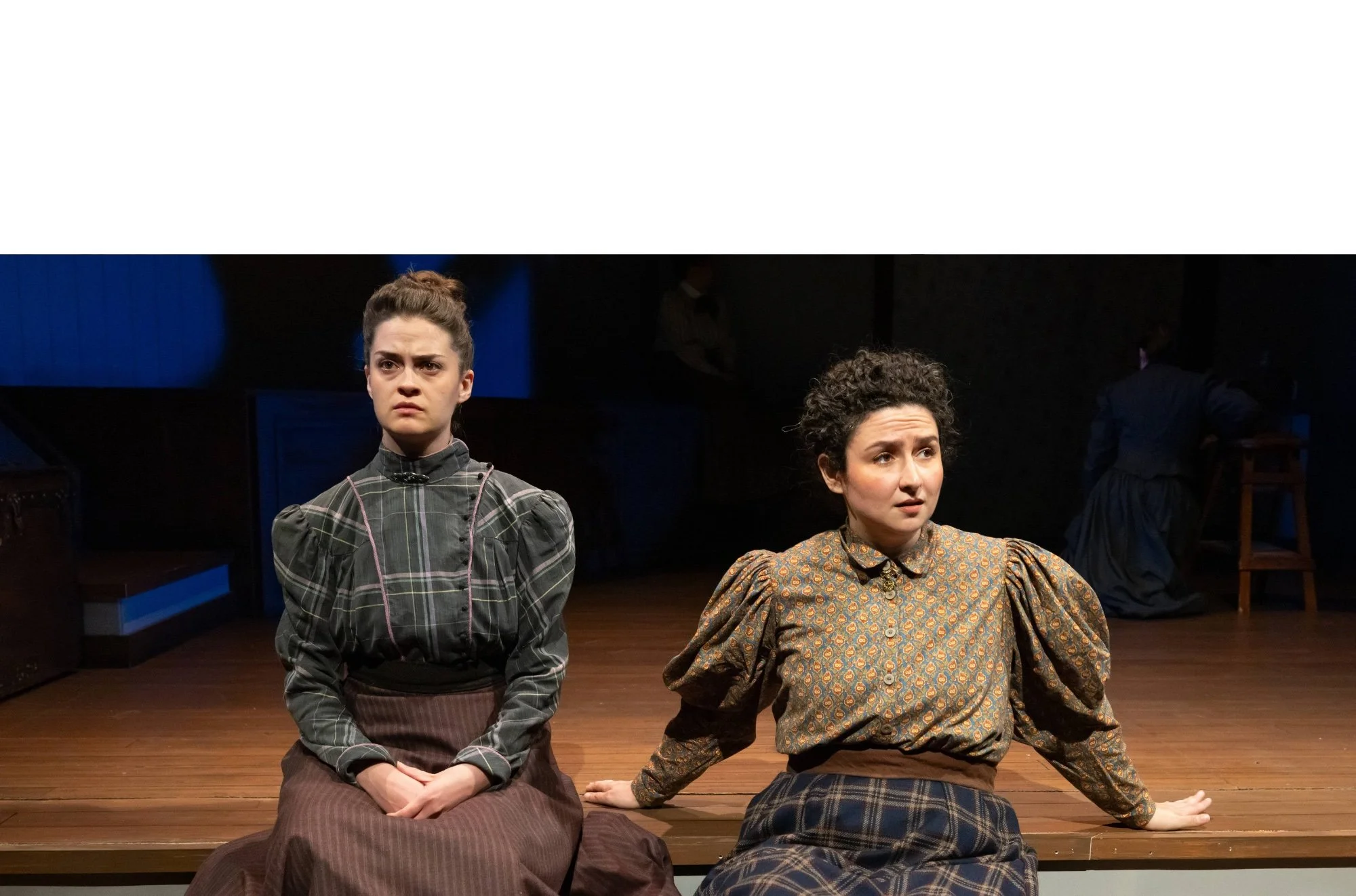
The last decade of American theatre has pushed theatre owners, producers and casting directors to think more deeply about how to consider casting along racial and ethnic lines.
By Ahmed Hassouna
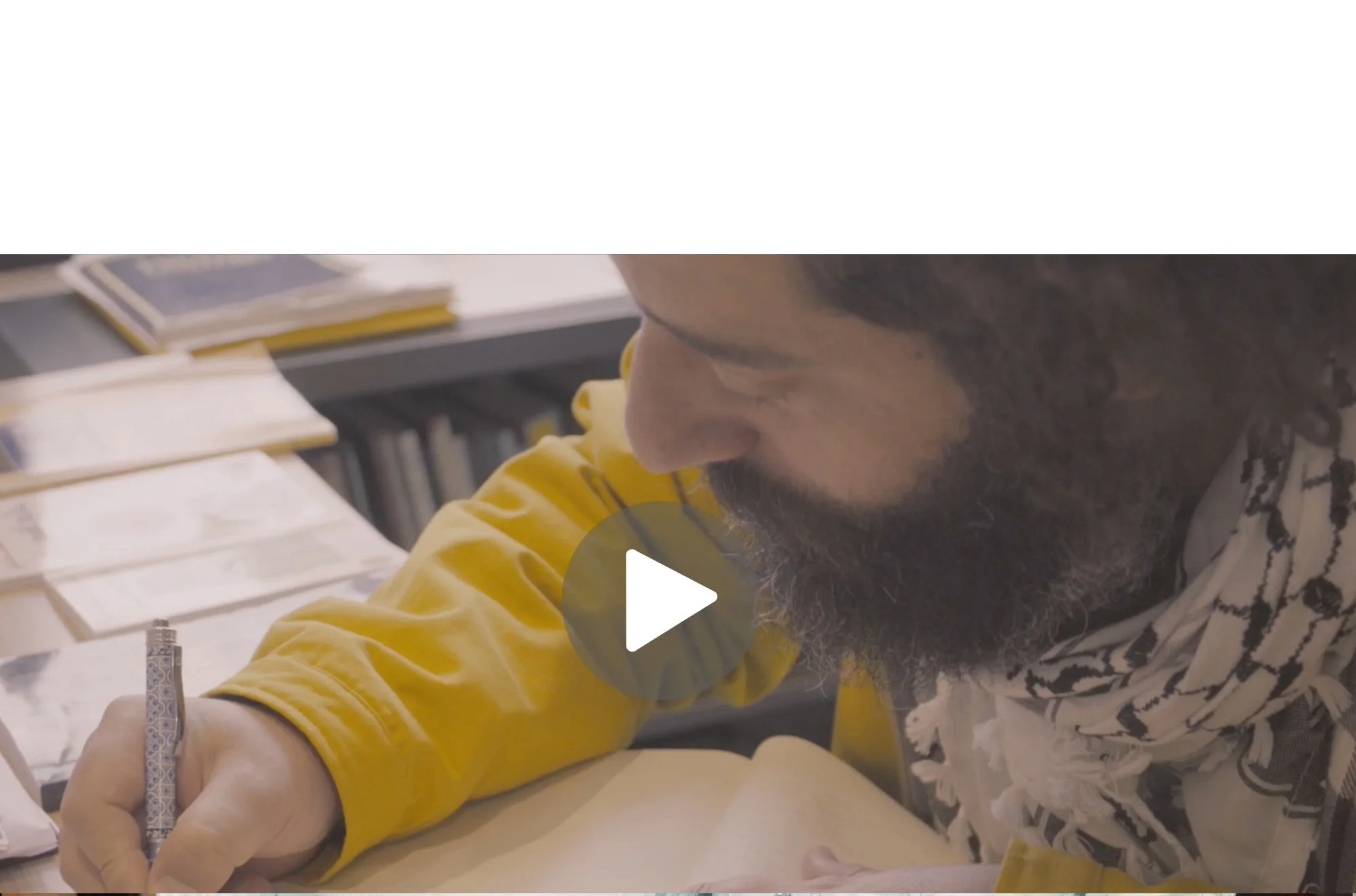
Palestinian-American poet Ahmad Almallah describes how loss — of his homeland, his language, his mother’s memories — has shaped his life and work.
By Lauren Abunassar
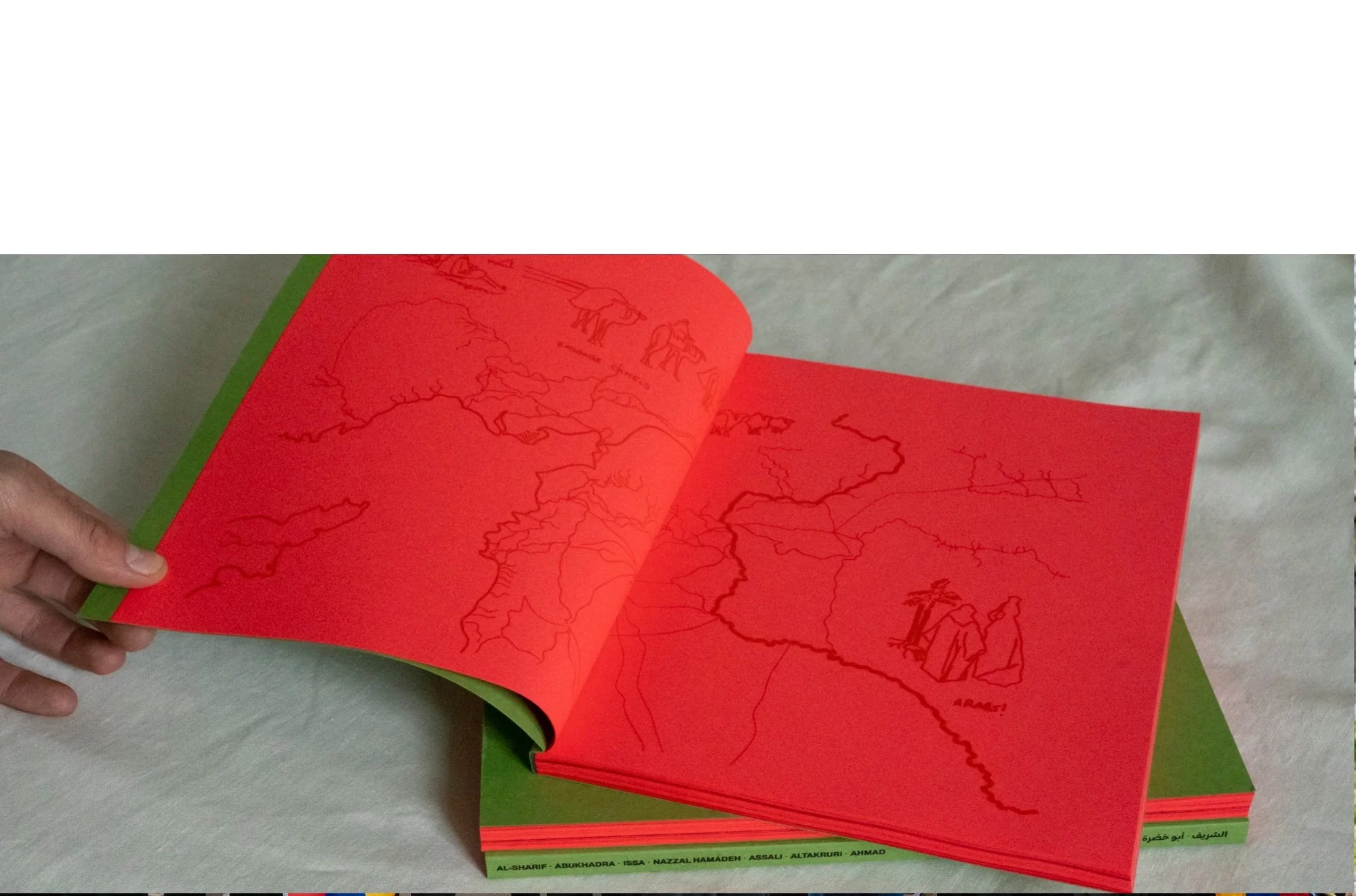
“Jadu’i Book,” curated by Philadelphia-based artist Rami George, is a nuanced archive of Palestinian diaspora, advocacy, resistance and grief.
By Joseph Fahim
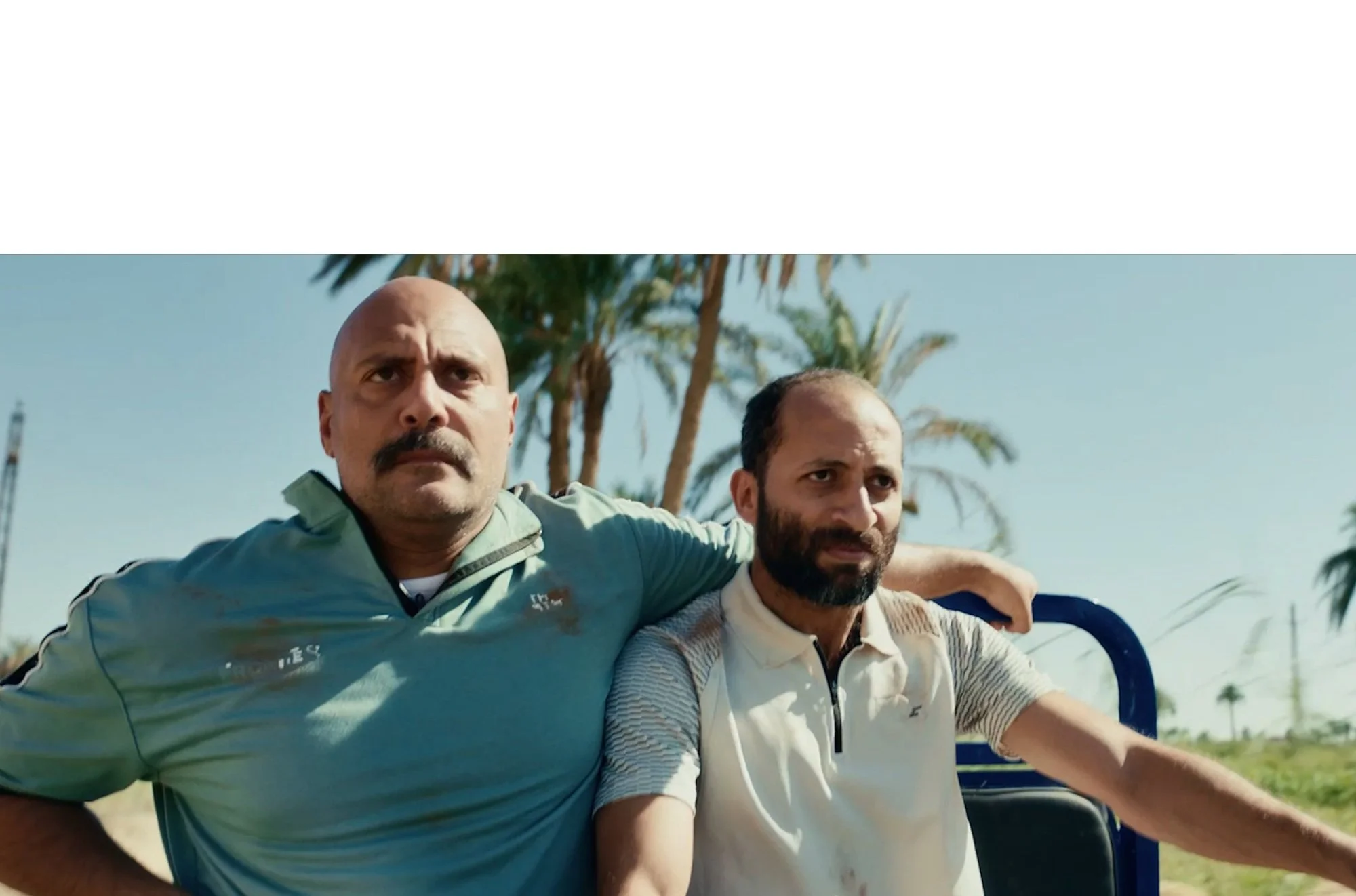
“Comedy doesn’t translate,” distributors and curators insist; cultural specificity, local pop culture references and the very rhythm and tone of humor are seen as impossible to universalize. Yet this is precisely why comedies are arguably the most authentic expression of their cultures.
By Joseph Fahim
Film, however politically explicit, can rarely match the immediacy of a speech. Unlike cinema, which, no matter how direct, remains open to interpretation, a speech is an unambiguous articulation of an artist’s political stance, delivered in real time on a global stage.
By Lauren Abunassar
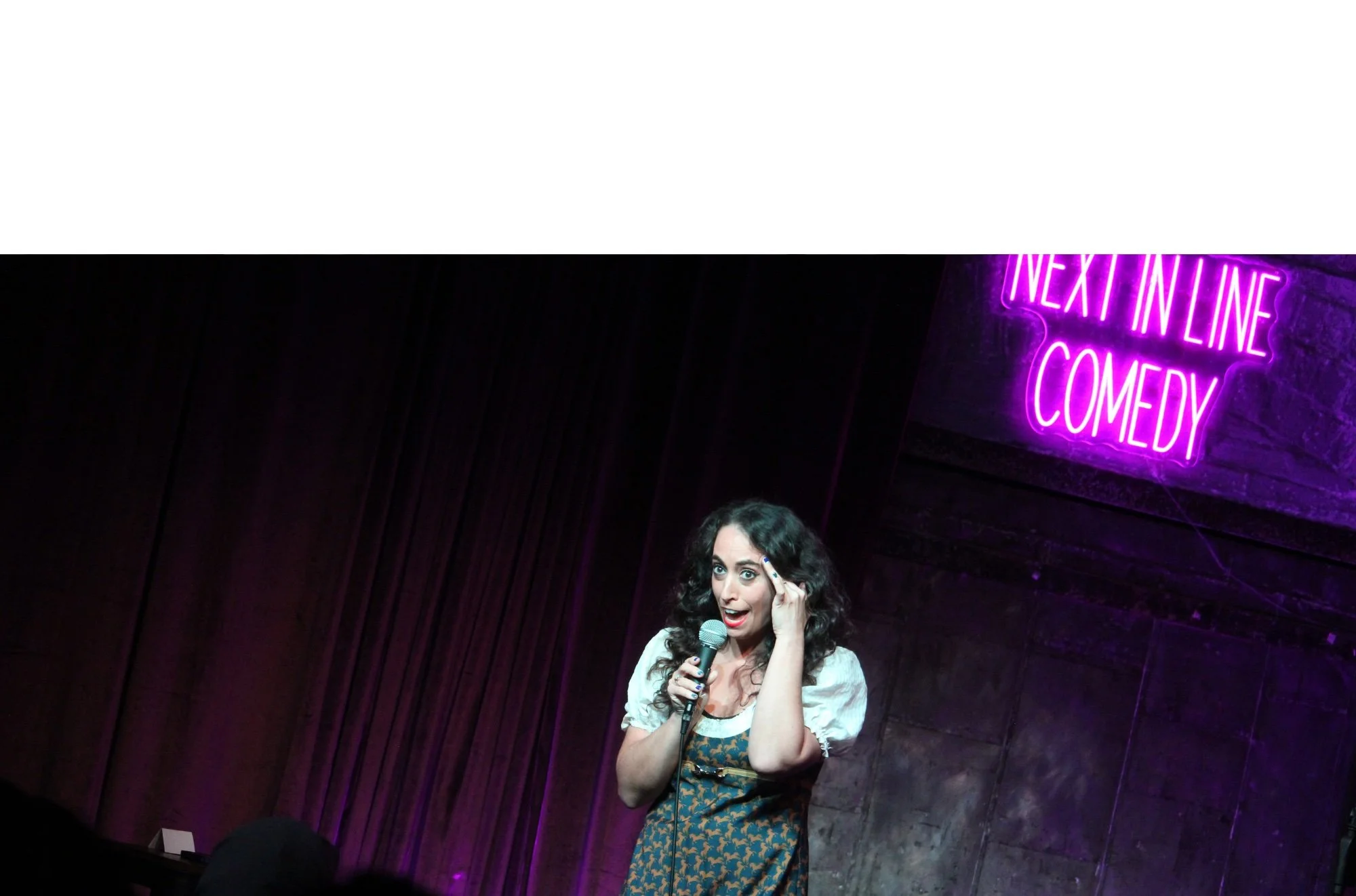
“When I'm on stage, I do feel a huge sense of obligation to make sure that the comedy that I'm doing and the environment that I curate for people is in line with what my ideals are. I’m a representation of something bigger than me.”
By Joseph Fahim
For those who have experienced dictatorship and political oppression firsthand, it is difficult to digest one-dimensional characterization and an uncomplicated worldview.
By Lauren Abunassar
Historically, traditional Palestinian ceramics have been especially well suited for the cultural archive, given their role as both ornament and instruments for daily life — bowls for eating, jars for storing, tiles for cooling homes, vessels shaped by and for use.
By Joseph Fahim
What Arab cinema needs now is not decorative Oscar recognition, but sustained community engagement and inventive, grassroots marketing strategies.
By Gawhara Abou-eid
The film poses a question that echoes long after the credits roll: Is endurance the only solution Palestinians are permitted?
By Lauren Abunassar
While Bedewi has often worried that her films will be misconstrued as representative of all Arab experience, she has increasingly felt permitted to tell ‘one’ Arab story, not ‘the’ Arab story.
By Gawhara Abou-eid
Even after years of formal training and building a professional practice in Turkey and the U.S., Tunc’s approach remains rooted in the curiosity and wonder she felt as a child, captivated by the rhythms and forms of nature.
By Joseph Fahim
The film demands a plurality of critical perspectives — and a more nuanced conversation.
By Lauren Abunassar
“Talking about art and creativity is not secondary or tertiary to Islam. It’s primary to Islam. There is a place in Islam for levity. There is a place for celebrating beauty.”
By Joseph Fahim
The cornerstone of works by diaspora filmmakers is identity and alienation, and intricate community dynamics in relation to diverse American environments. In the scant body of work by Arab Americans, these issues have never surpassed an elementary examination.
By Gawhara Abou-eid
All evening, the sold-out venue felt like a citywide inside joke finally getting told out loud.
By Gawhara Abou-eid
“When performed with authenticity, raqs sharqi becomes a form of empowerment, an act of reclaiming the beauty and strength of the feminine and honoring the deep humanity that this dance expresses.”
By Lauren Abunassar
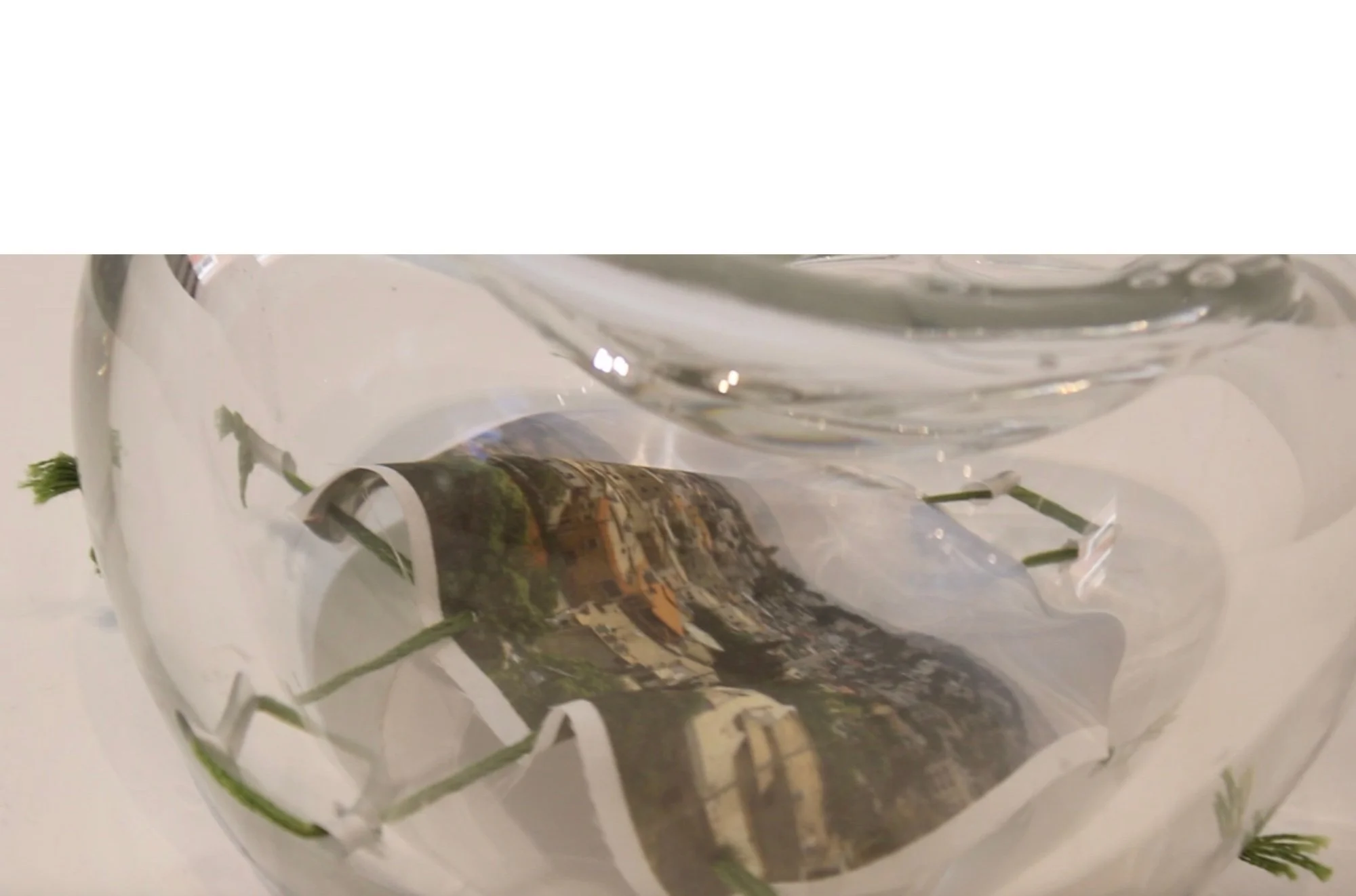
“I think something that draws me to glass so much is that it is a very experience-based medium where the process itself is so captivating and exhilarating and fun, but also difficult. When you make the work, you're aware that there is a very large chance you're not going to get anything from it. Something may break, something may not exist at the end.”
By Elissa Odeh
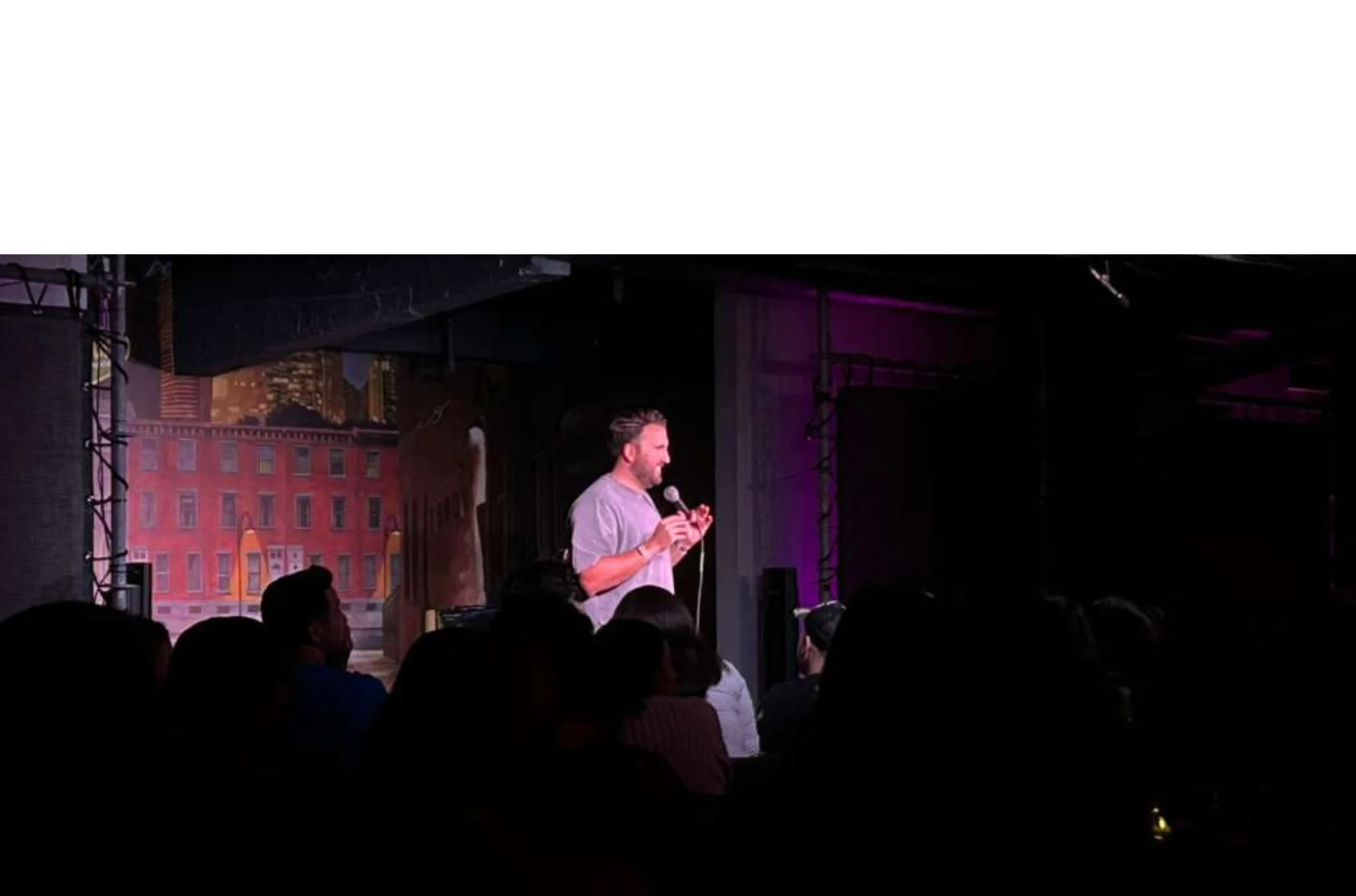
At his show, Al-Rayess joked about one of the biggest cultural pressures in Arab culture — getting married. “I’m almost 30, so the questions never stop. Back home I would’ve been married to my cousin by now.”
By Joseph Fahim
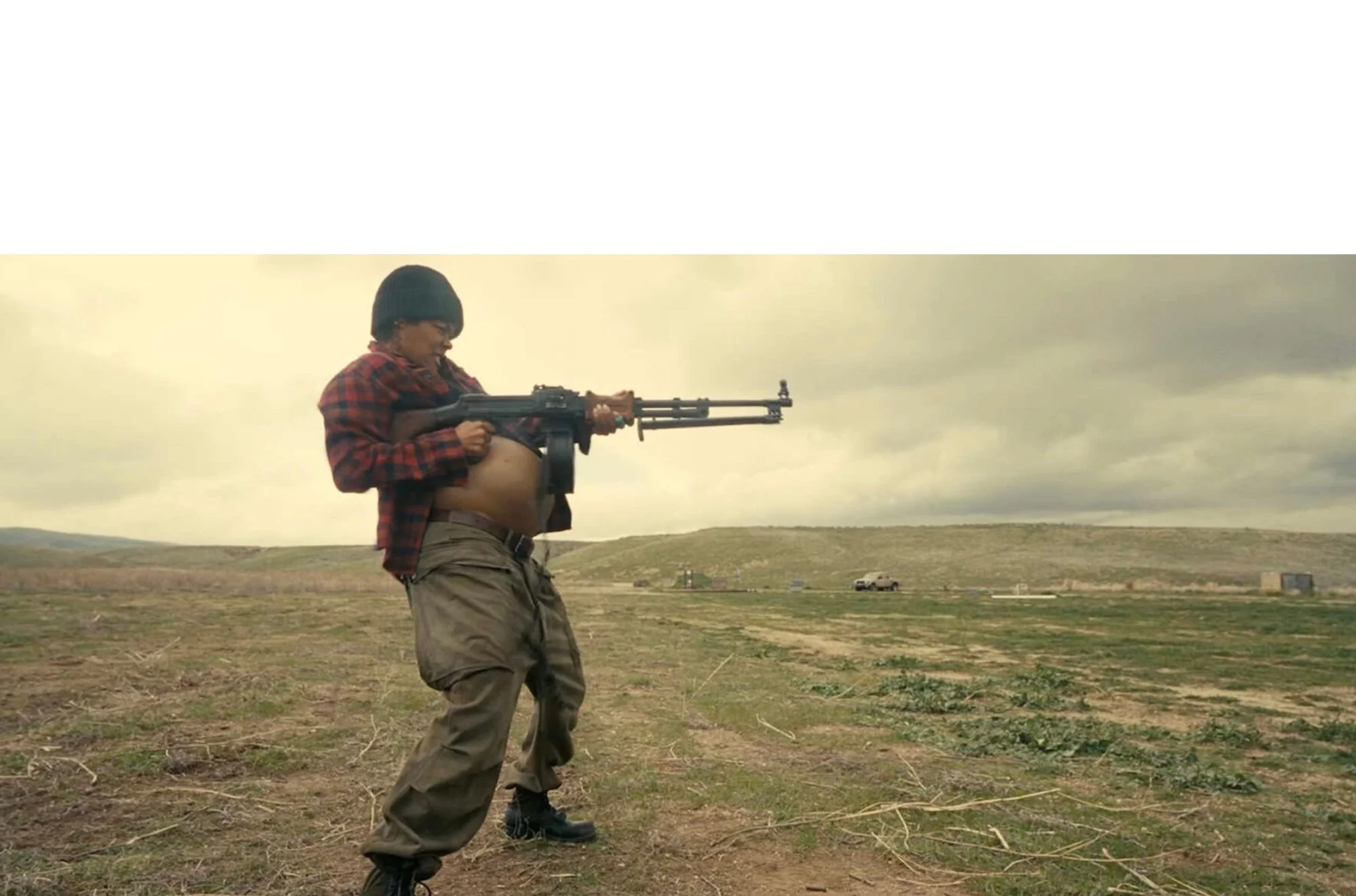
“One Battle After Another” is not just about the U.S. — it’s a fable about the failure of the left worldwide. And for the Arab viewer, it’s impossible to watch the film without drawing comparisons to our own failures in the Arab Spring.
By Lauren Abunassar
“I cannot genuinely say I believe that my writing and publishing a book with a small press based in the U.S. is an act of resistance. For me, it tends to get into these questions about rhetoric, or about public opinion, or about changing people's minds or hearts through our writing. But I don't know that I would call that resistance.”
By Joseph Fahim
The success of “With Hasan in Gaza” in Locarno, where it was seen by thousands of people, has proven that there is a sizeable audience for films like Aljafari’s: an artistically and intellectually uncompromised cinema that rejects a digestible, ready-made message.
Gauri Mangala
The festival panel noticed a shift in this year’s collection of applications. While overall application numbers have dwindled, a larger proportion featured strong political themes and messages.
By Joseph Fahim
Criticism is imperative not only for understanding Arab culture, but for confronting the mediocrity that can arise from silencing critical perspectives.
By Elissa Odeh
Wahab still remembers his first stand-up show in Ferndale, Michigan: “They gave me five minutes, so I wrote three minutes of jokes and figured the other two would be filled with laughter,” he said. “Let’s just say it didn’t quite work out that way.”
By Ragad Ahmad
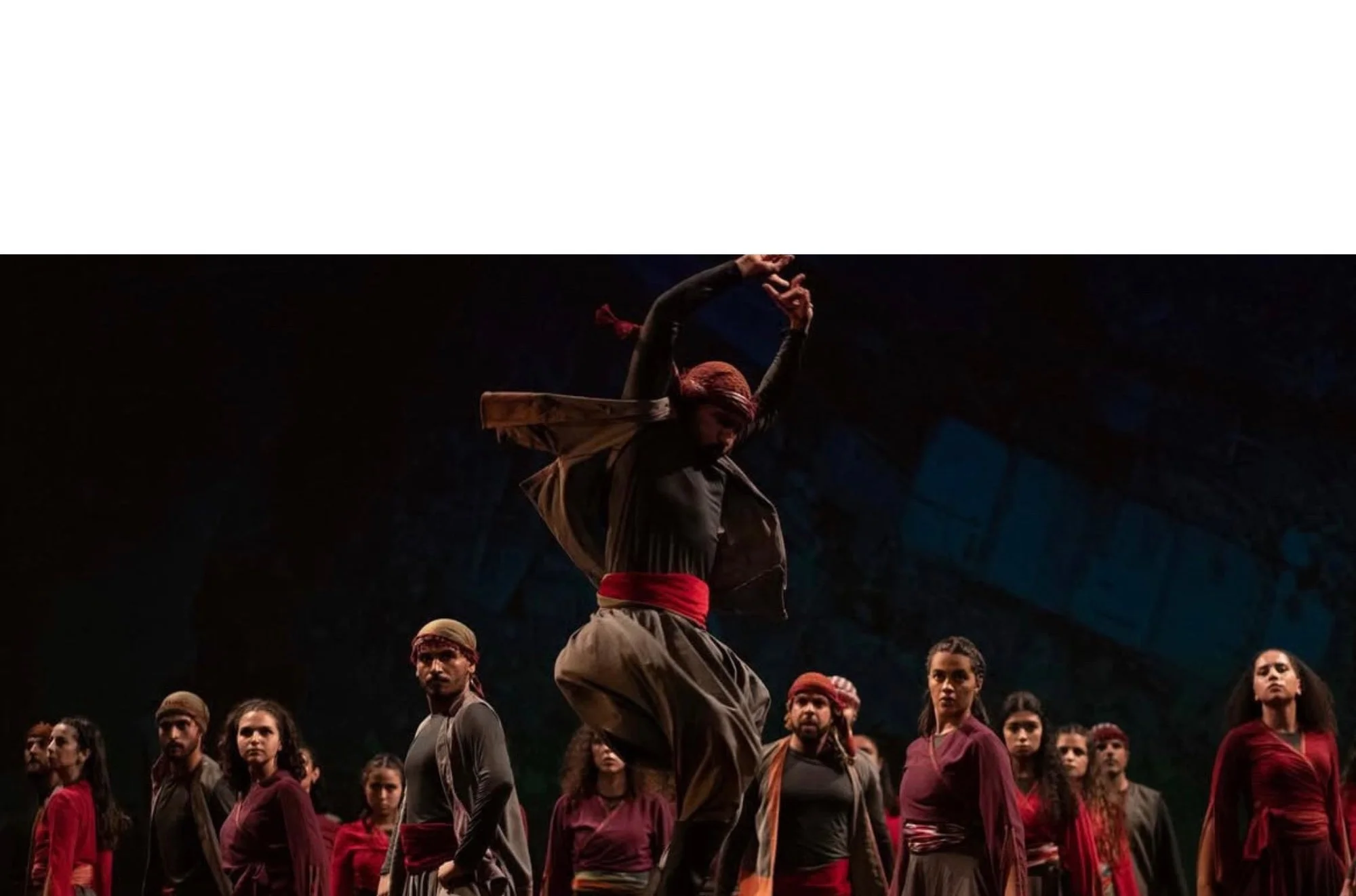
For nearly five decades, El Funoun has understood that keeping Palestinian tradition alive and building upon it constitutes a political act in a context where Palestinians’ very existence remains contested.
By Ben Bennett
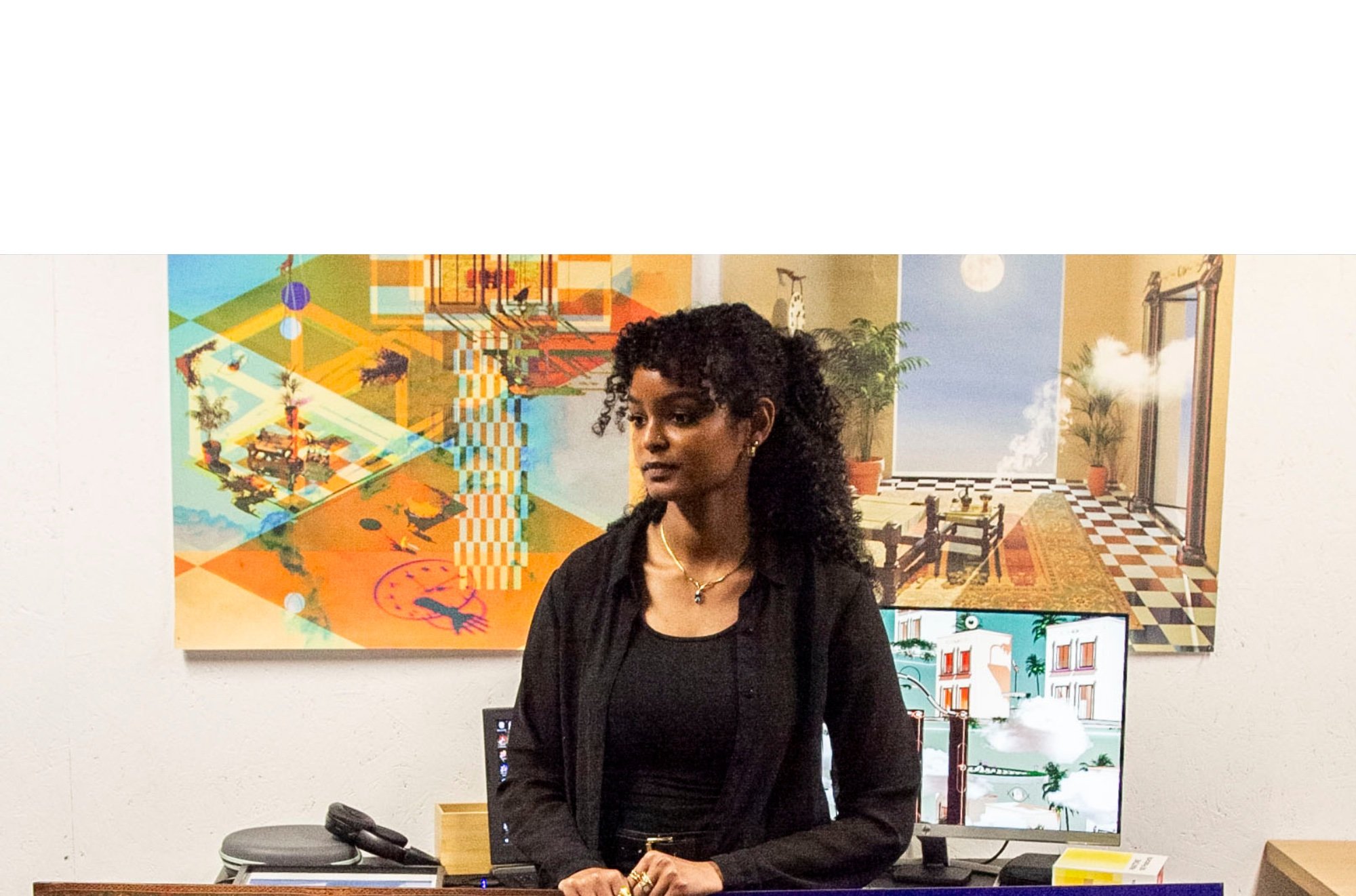
Informed by her architectural training and her Sudanese heritage, Elnayal’s art envisions a different, personal kind of futurism in Sudan. And at Studio Black, she doesn’t just imagine what a better future for designers might be, she creates it.
By Elissa Odeh
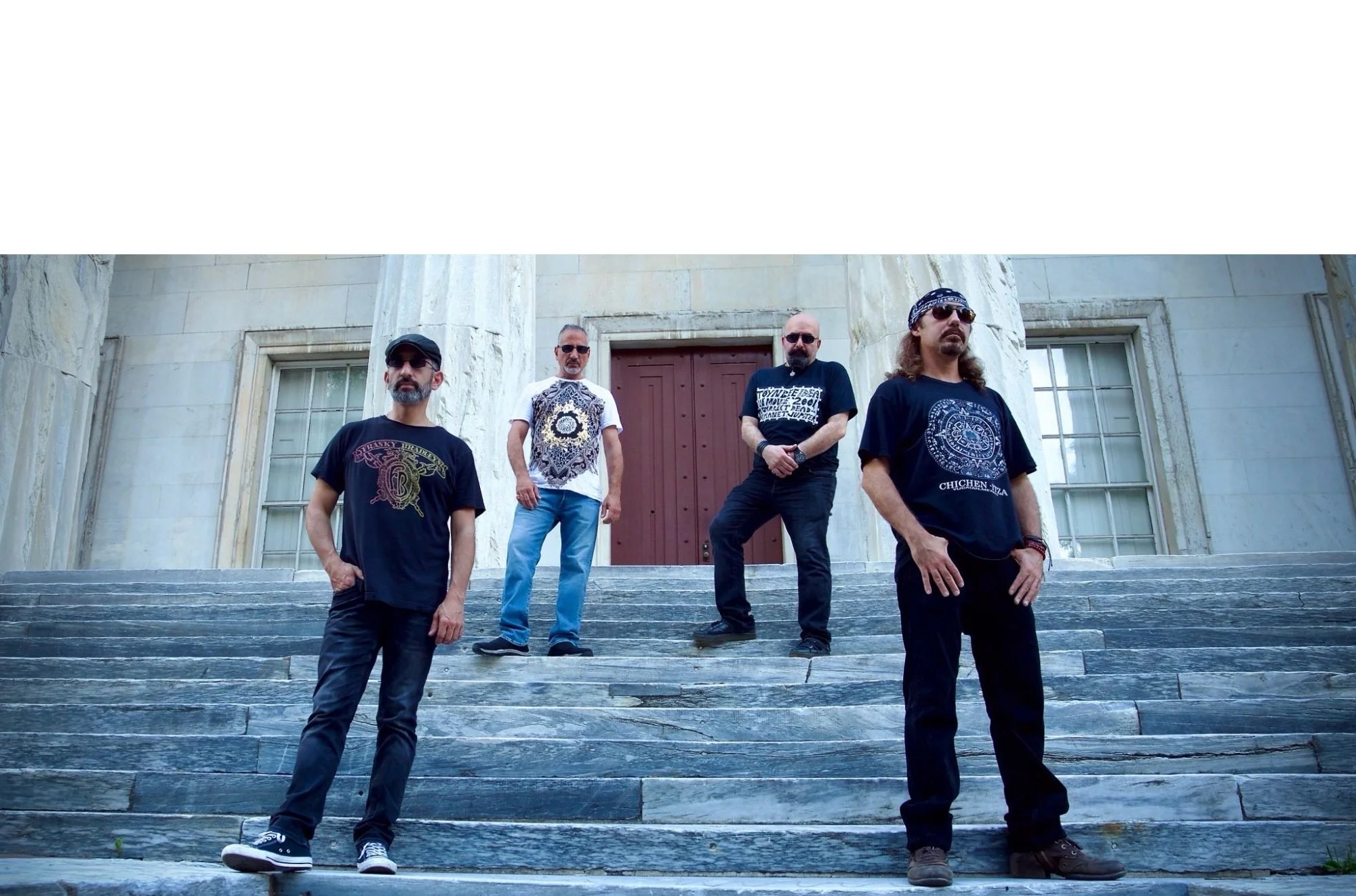
What began as background music for diners soon evolved into Barakka, a multicultural band that fuses Turkish folk, Anatolian rock, Middle Eastern classics and Western instrumentation.
By Lauren Abunassar
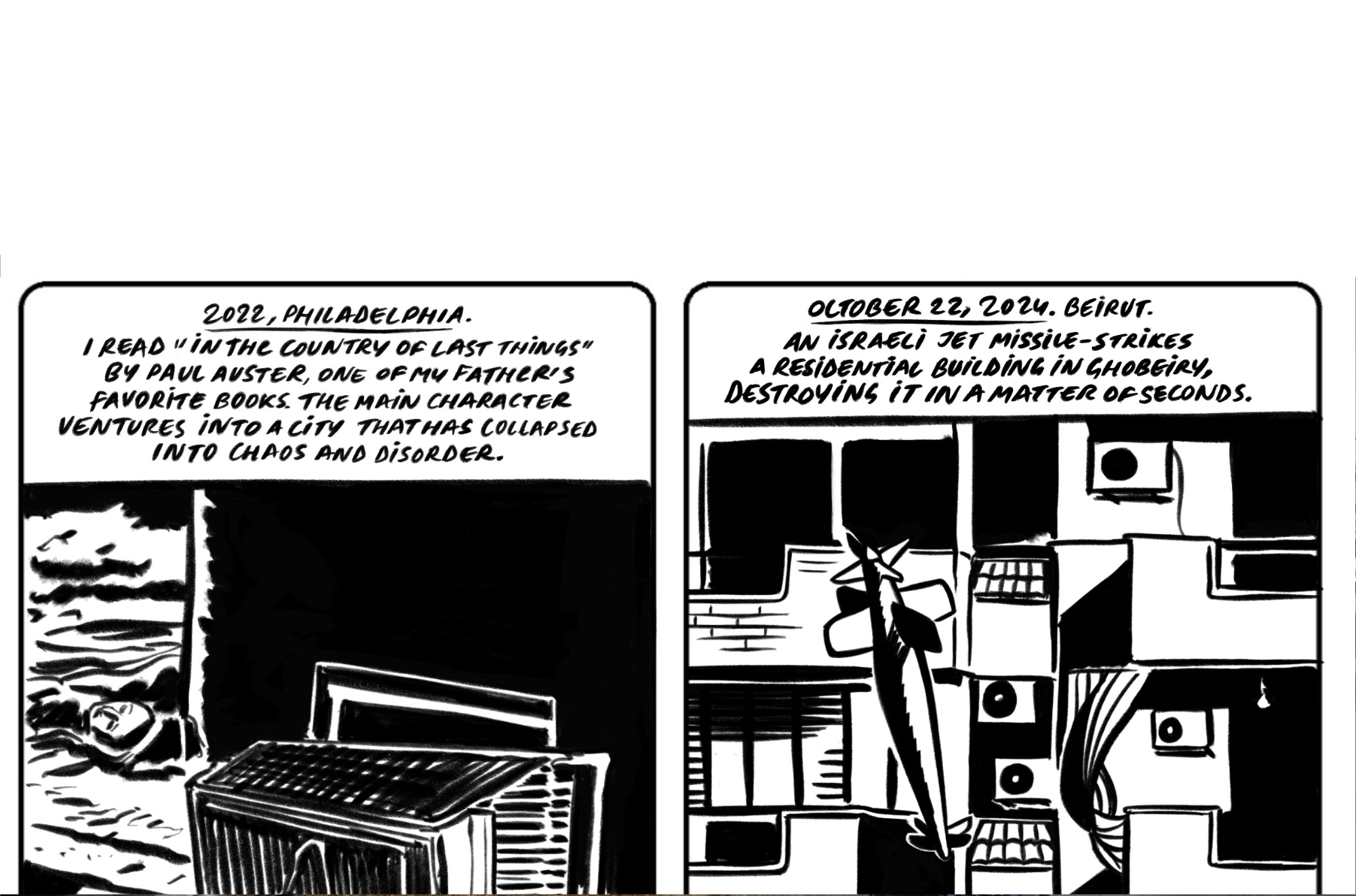
The insistence on storytelling as testimony of survival, and of survival as a defiant act, is a vibrant throughline in much of Chahwan’s work.
By Elissa Odeh
Ballan believes that Palestinians need to be able to express a larger narrative about who they are—one that reflects their presence not only in politics, but in art, music, filmmaking, academia and more.