
LATEST STORIES
Featured
By Amna Khalafalla
There are over 239 million people around the world in urgent need of humanitarian assistance and protection. But due to a decrease in contributions to humanitarian organizations by governments, there is a growing gap in service provision.
By Gawhara Abou-eid
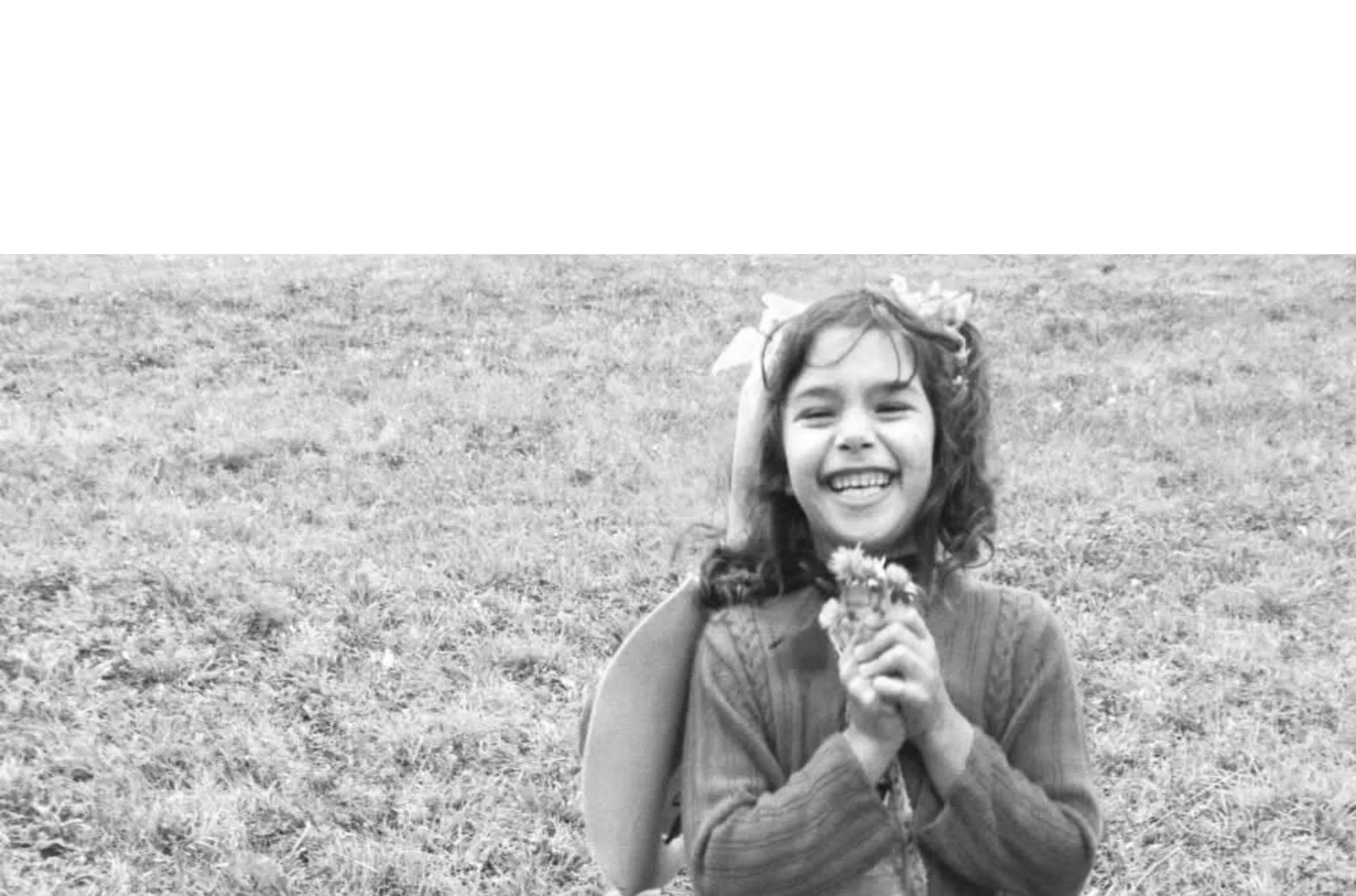
Before the age of 11, I spent the school year in Cairo and my summers in the United States. My mother worked endlessly throughout the school year with one singular purpose: to buy the tickets, to get us back on a plane, to make sure we maintained the language and the culture of her family, the language of her sacrifice.
By Gawhara Abou-eid
Ask an Egyptian how they identify, and the answer can sound simple: Egyptian. But ask what that means — Arab, African, Middle Eastern, Coptic or some combination — and the answer touches on history, language, religion, geography and belonging.
By Gawhara Abou-eid
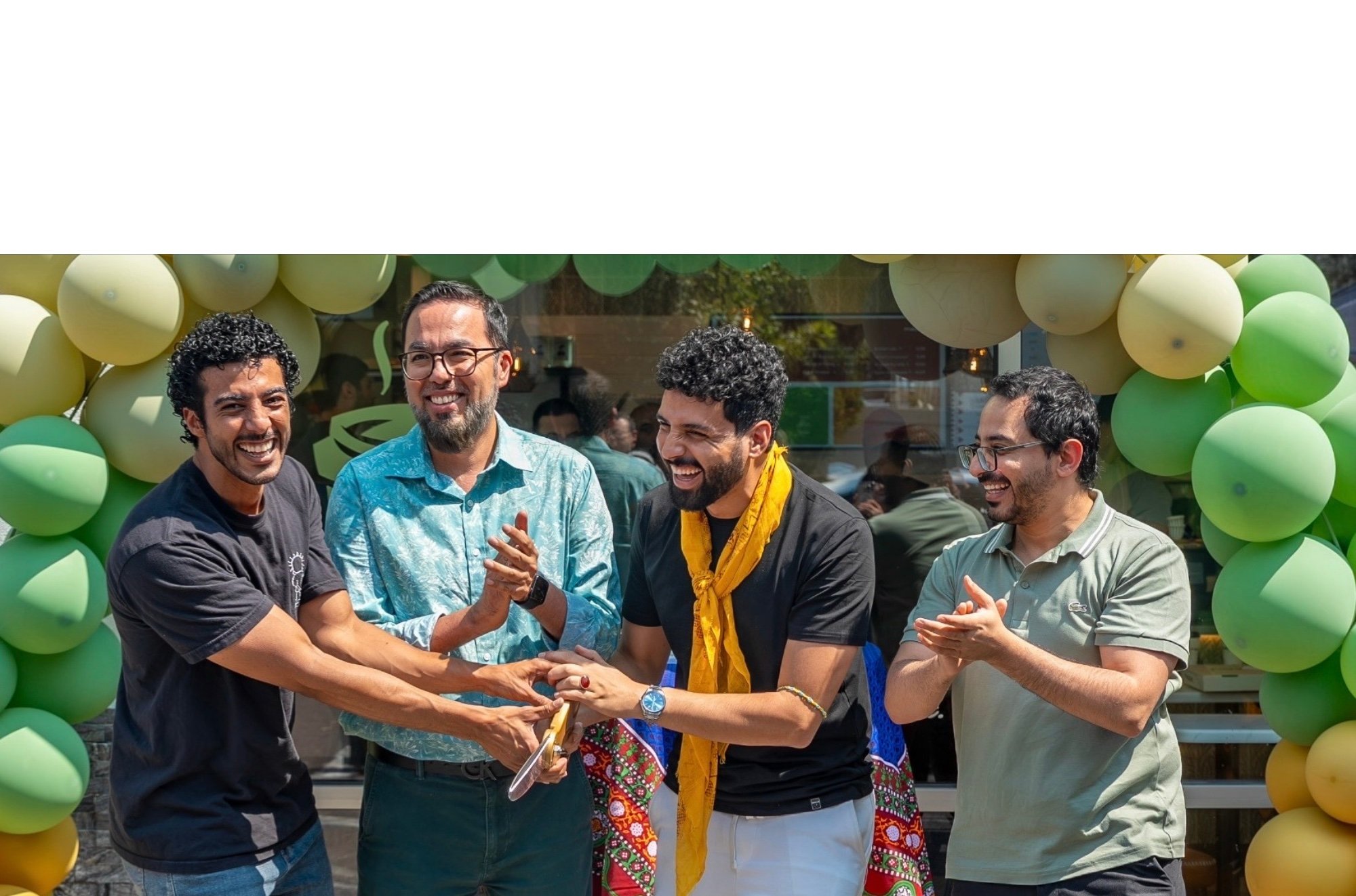
For local restaurateurs Rahim Hussein and Omar Alkahily, the “American Dream” has never been defined simply by owning a business.
By Gauri Mangala
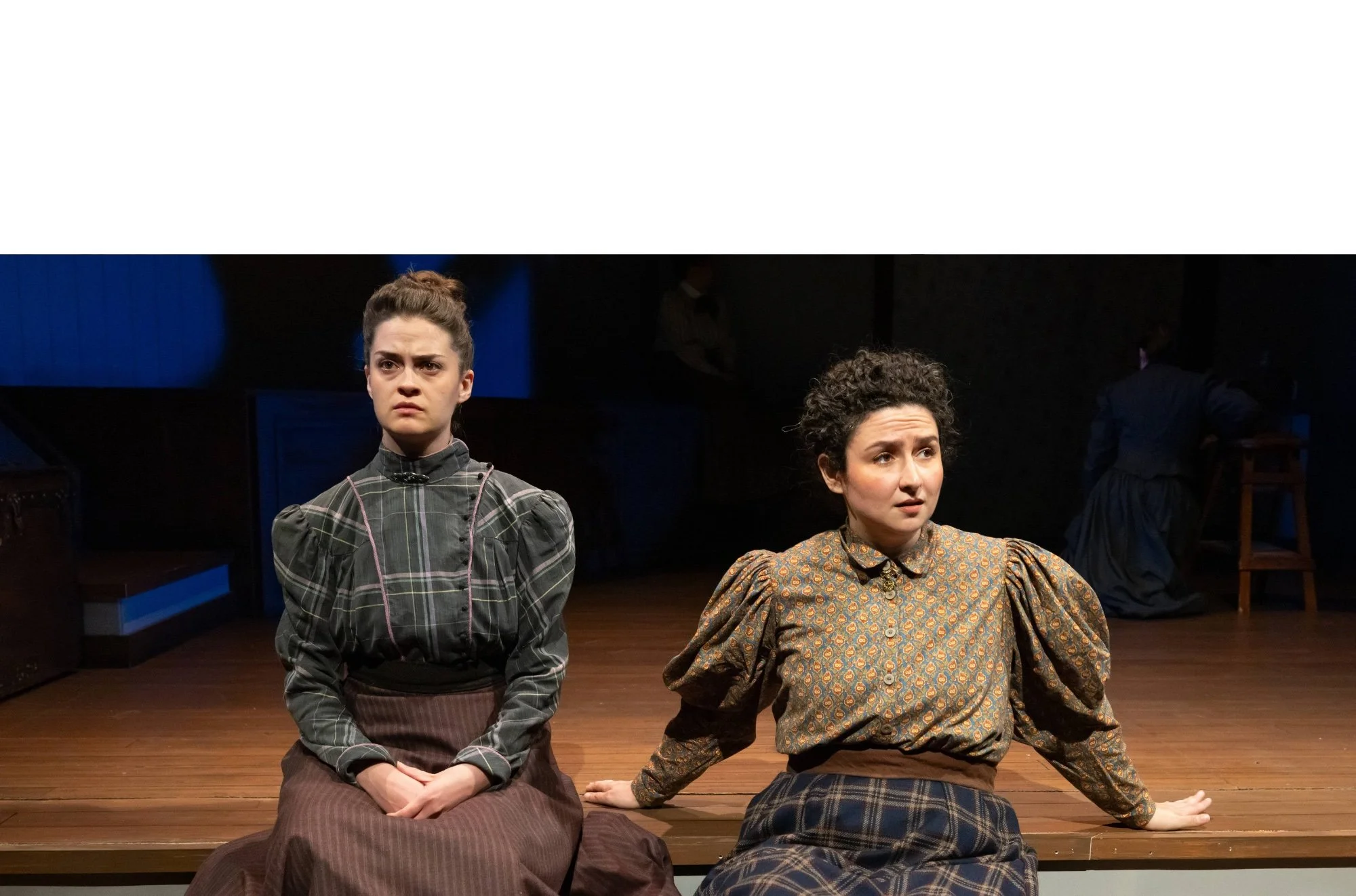
The last decade of American theatre has pushed theatre owners, producers and casting directors to think more deeply about how to consider casting along racial and ethnic lines.
By Lauren Abunassar
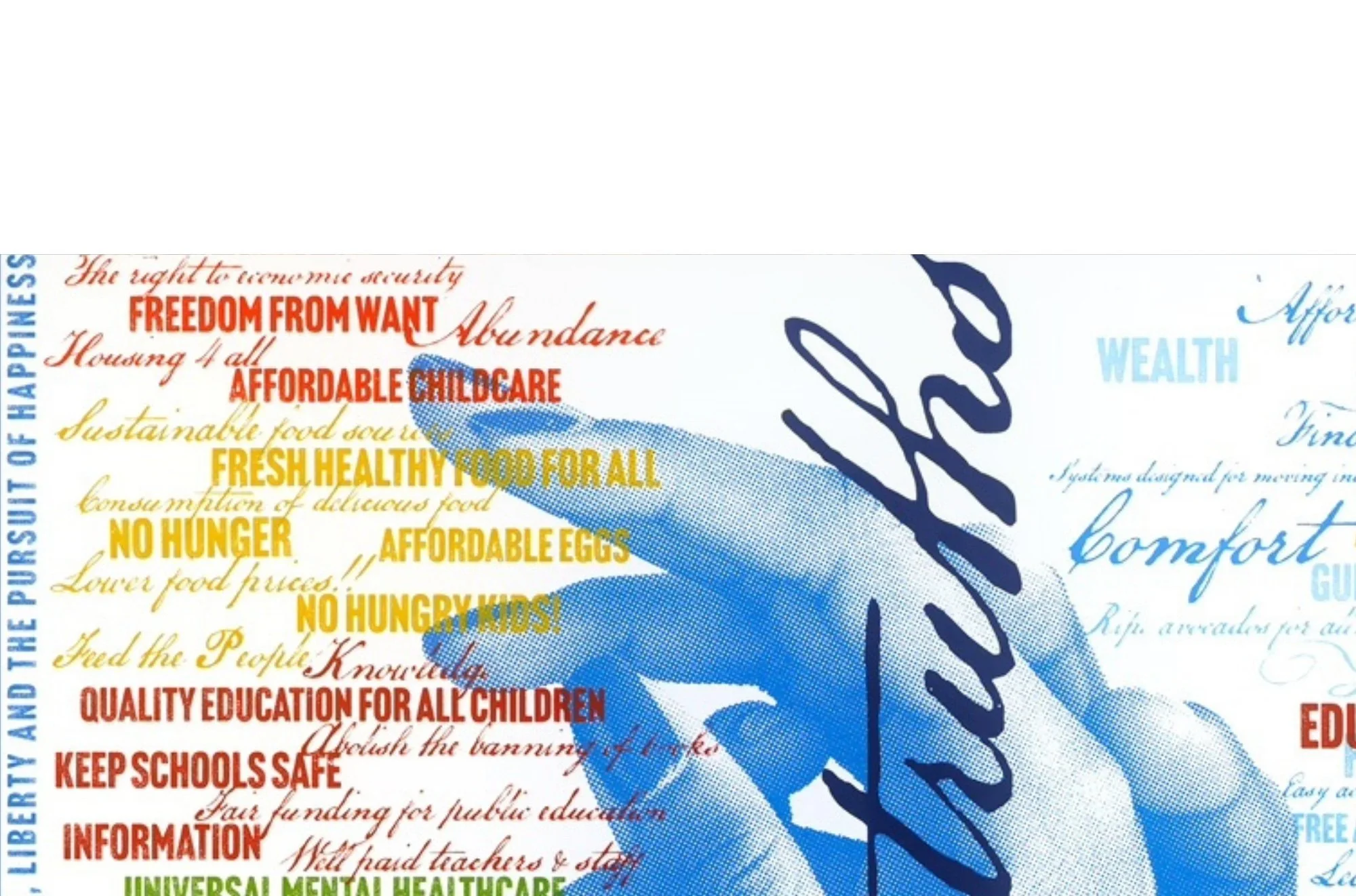
As Philadelphia asked how best to celebrate 250 years of America this Fourth of July, some community members across the city were asking different questions: what, exactly, are we celebrating? And we should be celebrating at all?
By Gawhara Abou-eid
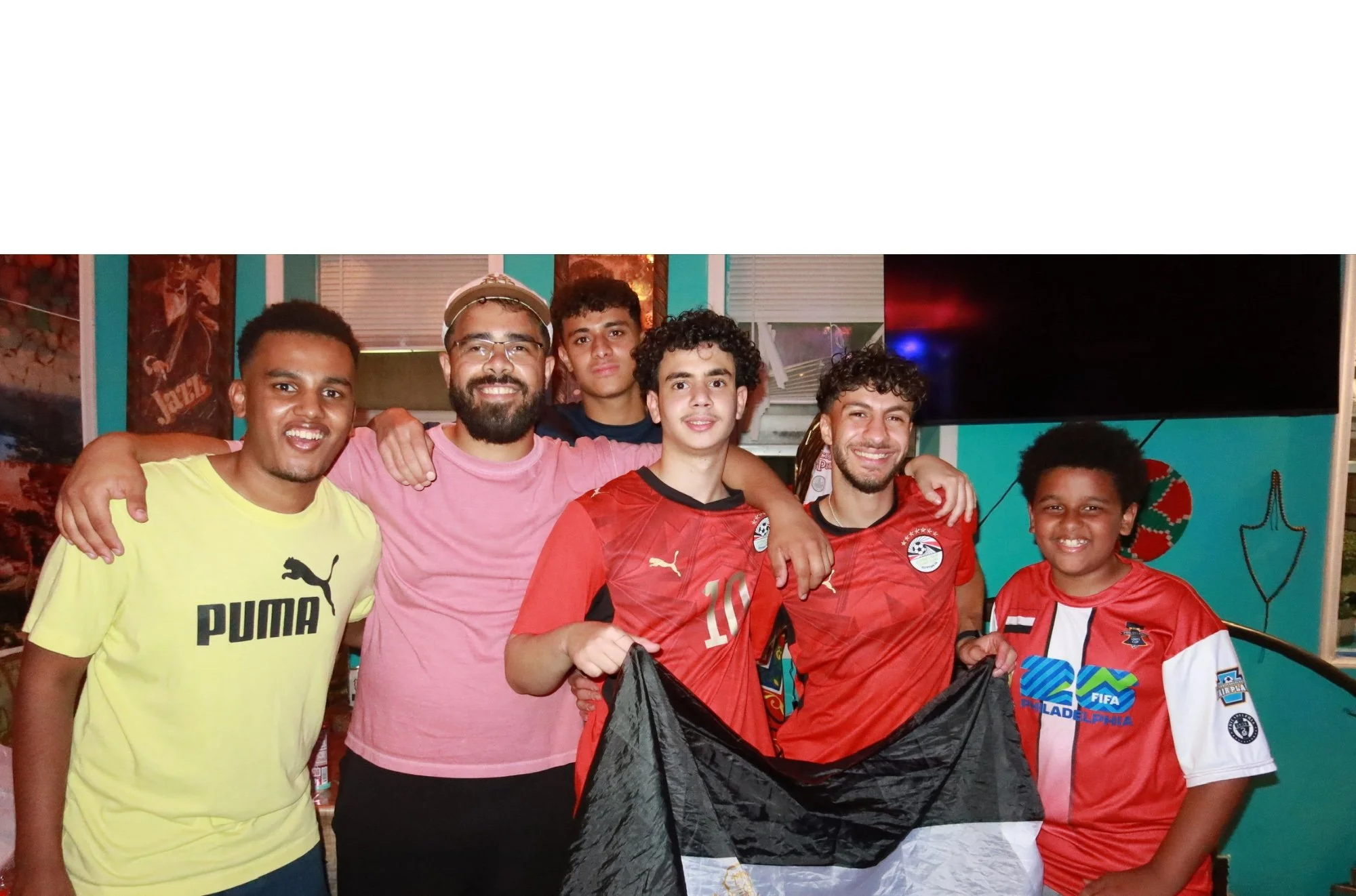
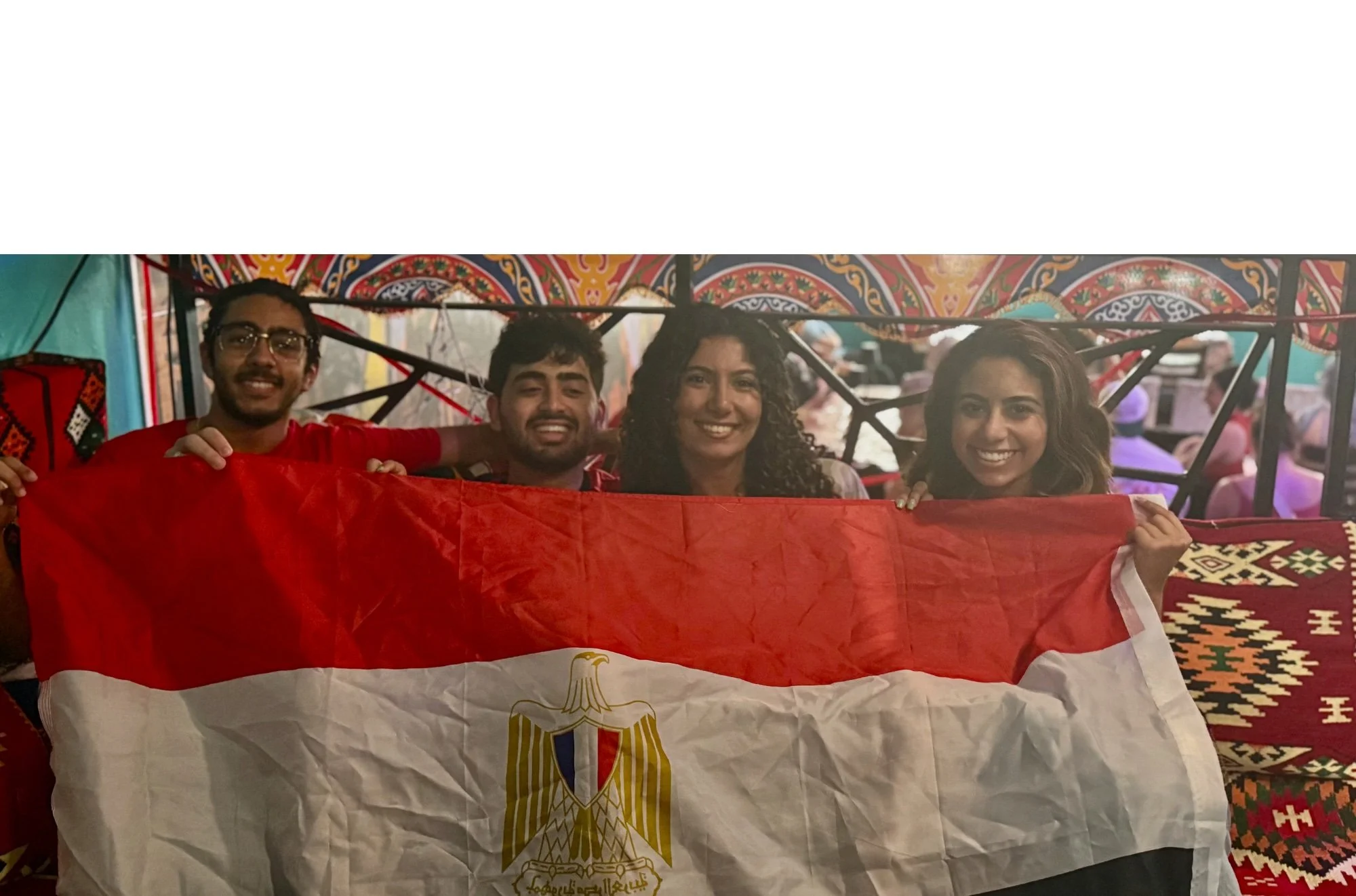
Before Egypt's FIFA World Cup run ended in a controversial 3–2 loss to Argentina in the Round of 16, fans packed into a Philadelphia restaurant to celebrate a country finally receiving international recognition in sports while reconnecting with a community thousands of miles from home.
By Amna Khalafalla
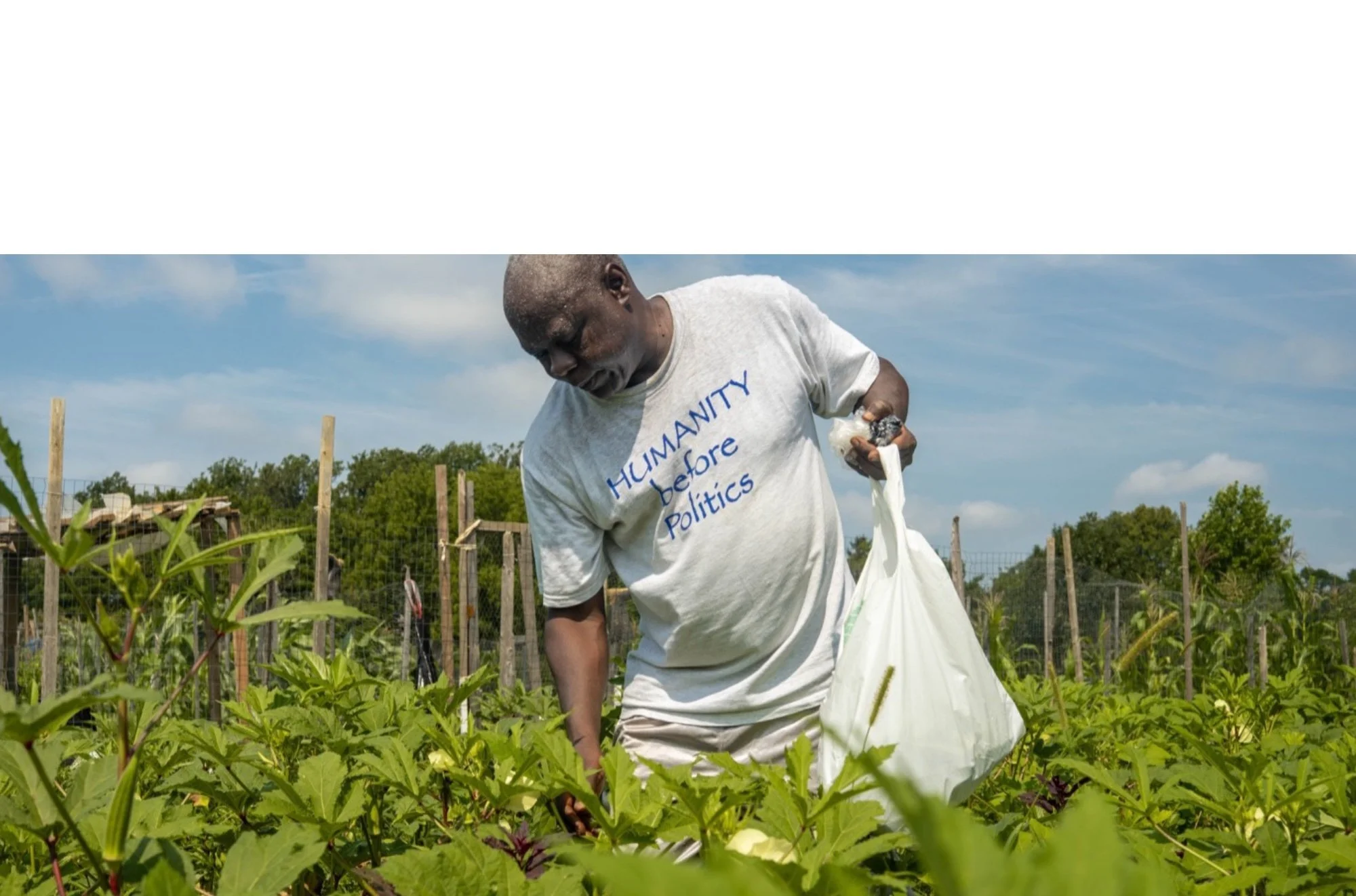
Mahdi Bahr Al Din, who routinely hears from family members in Sudan about their precarious situation, finds relief among the community at the garden, the root of its appeal for him.
By Gawhara Abou-eid
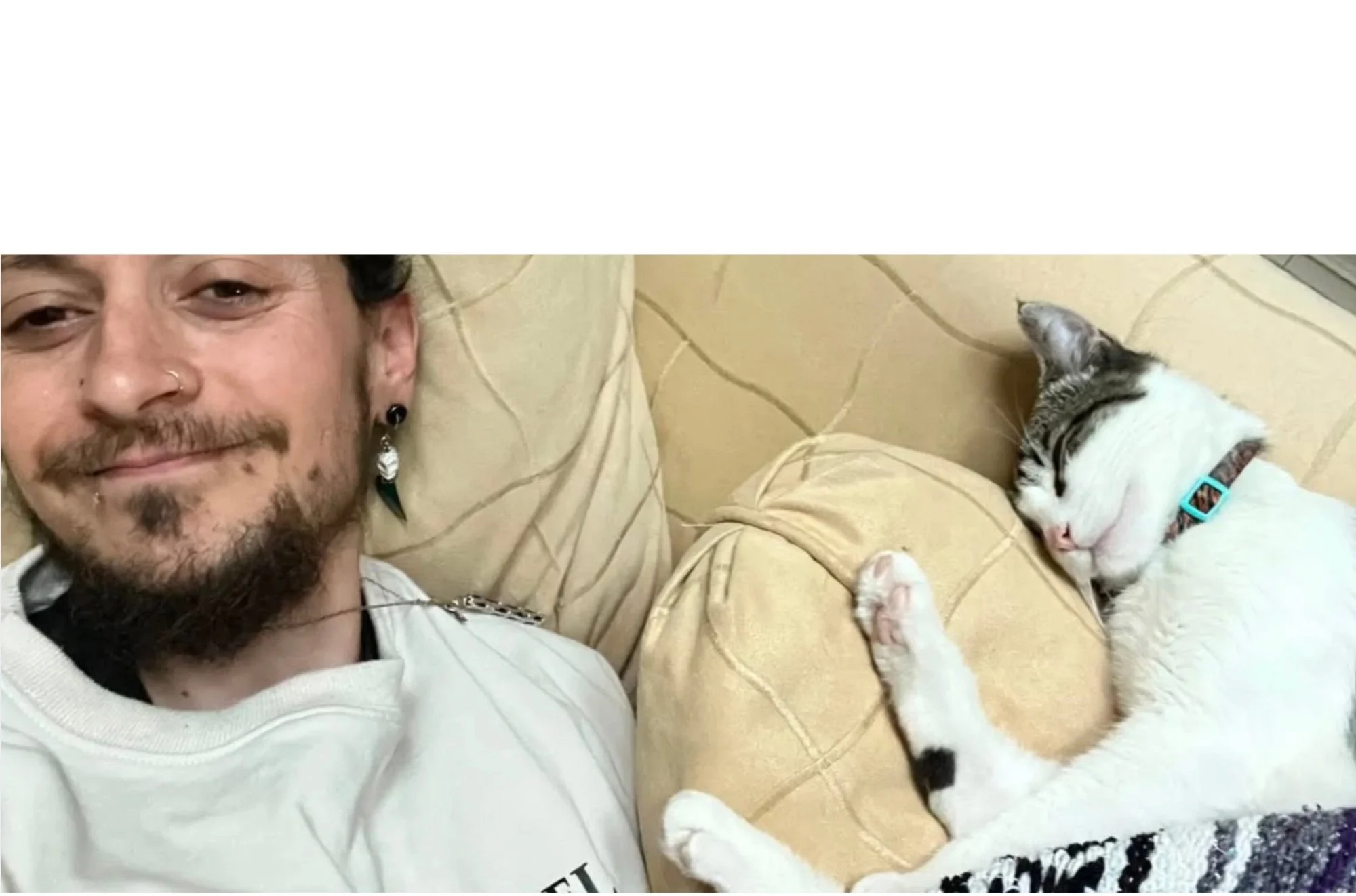
Saif and Marhaba reject assumptions that transgender or nonbinary identities are modern Western inventions. Saif has noted that queer people existed around him long before he had language for them, through friendships, trusted circles and unspoken understandings.
By Gawhara Abou-eid
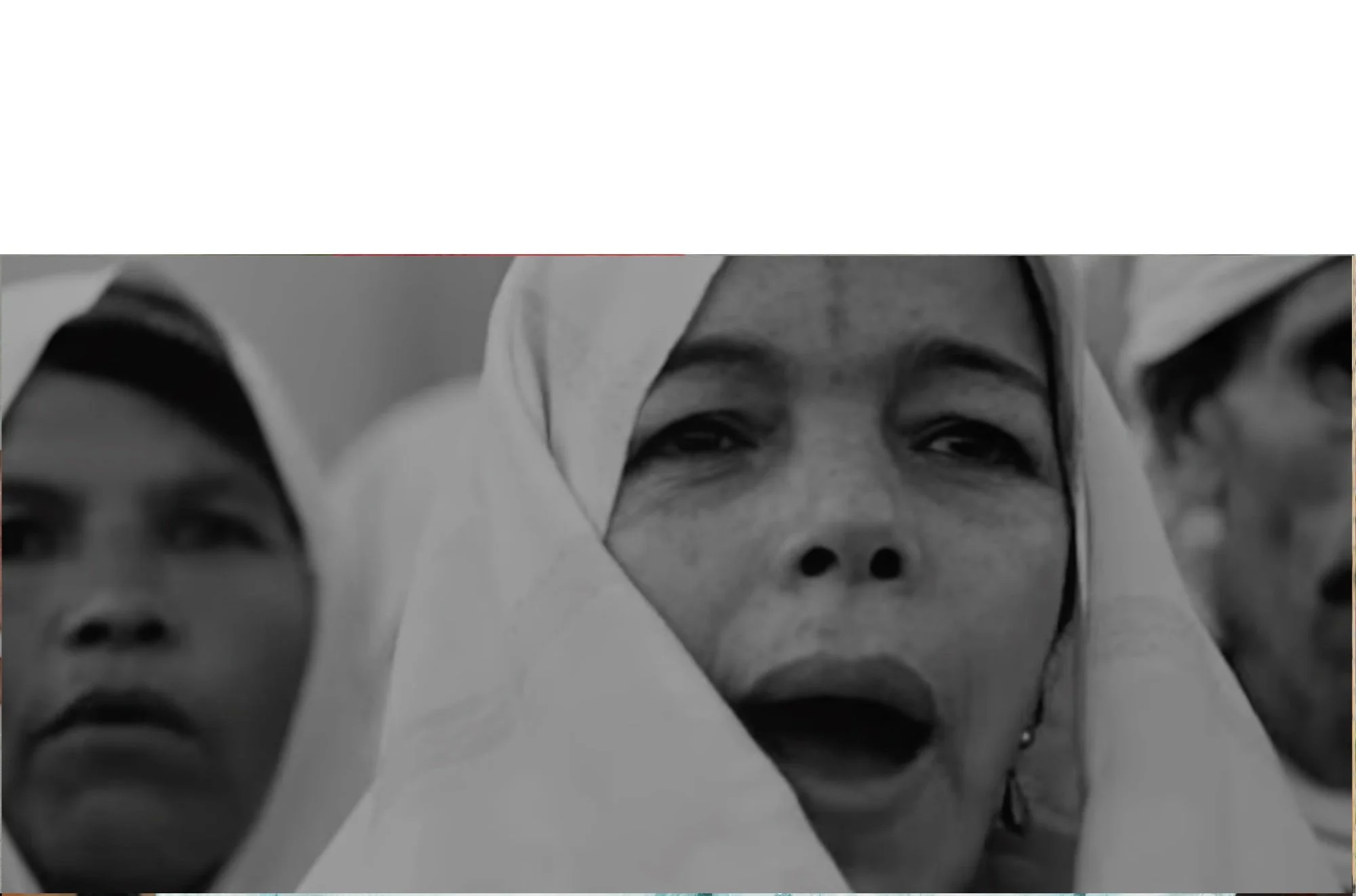
Pop singer Sabrina Carpenter’s mockery of a ululating fan at her April 10 Coachella performance ignited a conversation about a centuries-old vocal tradition rooted in joy, celebration, womanhood and resistance.
By Ahmed Hassouna
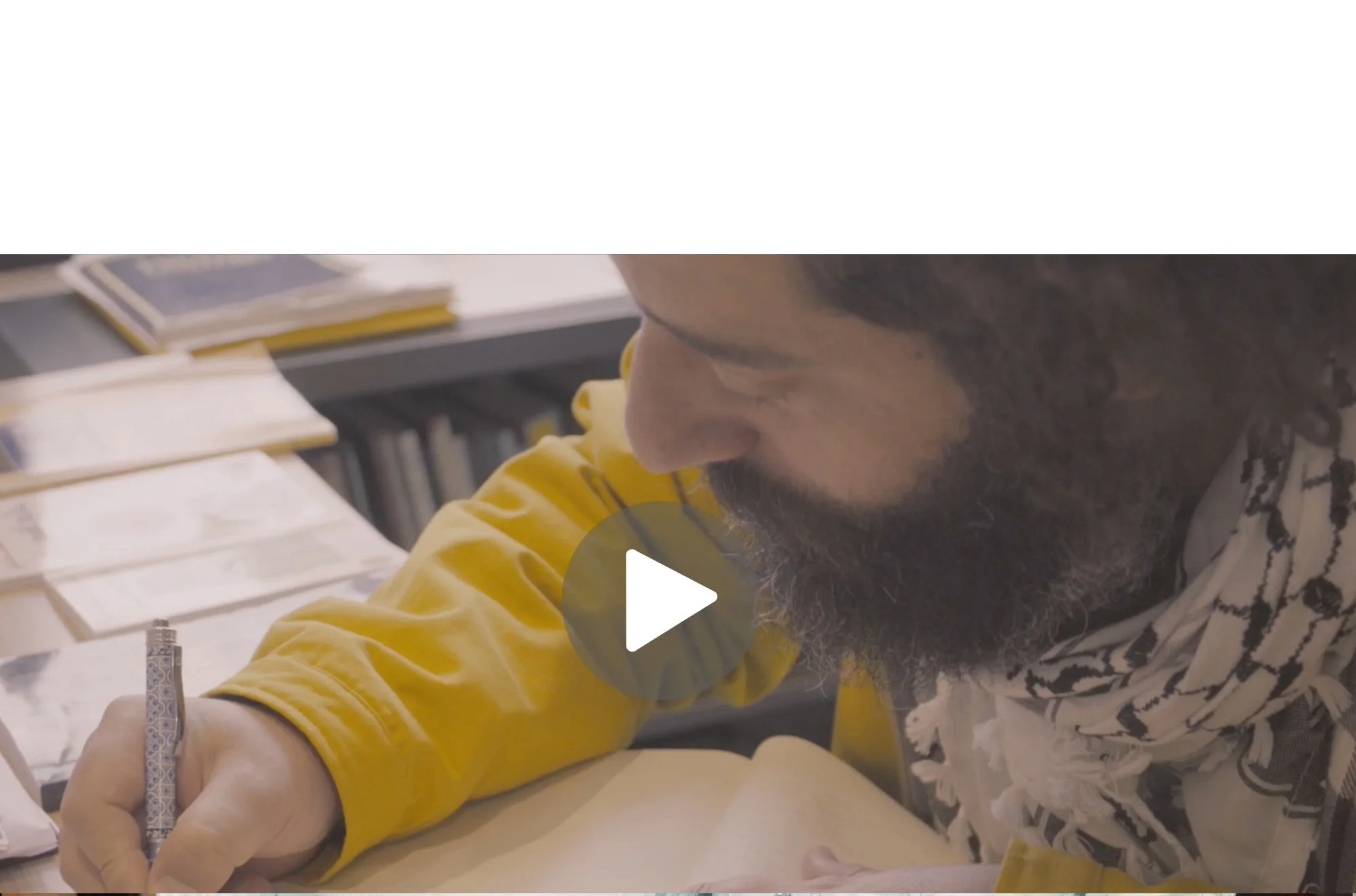
Palestinian-American poet Ahmad Almallah describes how loss — of his homeland, his language, his mother’s memories — has shaped his life and work.
By Amna Khalafalla
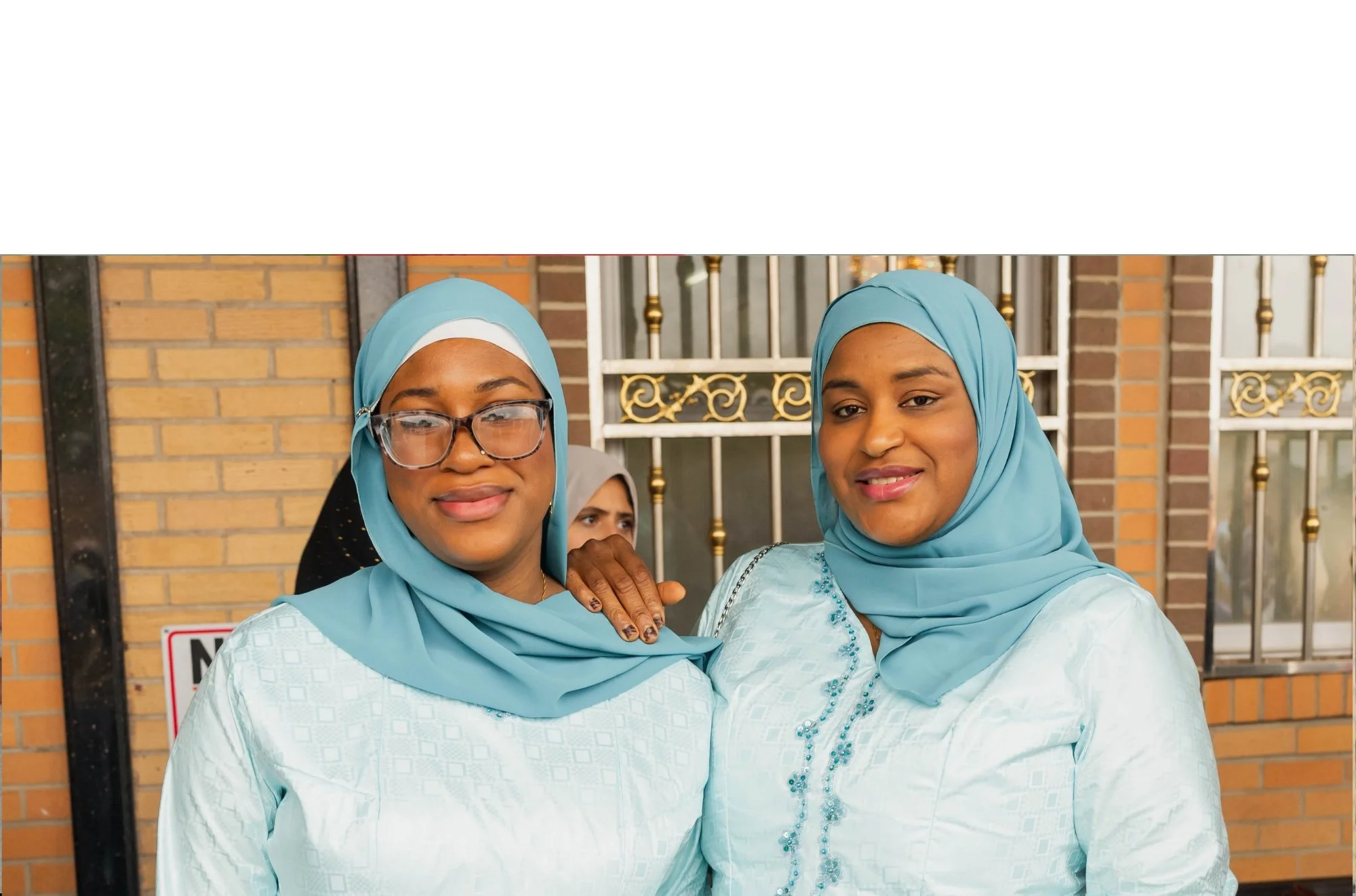
In North Philly, Muslims from around the world stepped out in style for “Big Eid.”
By Lauren Abunassar
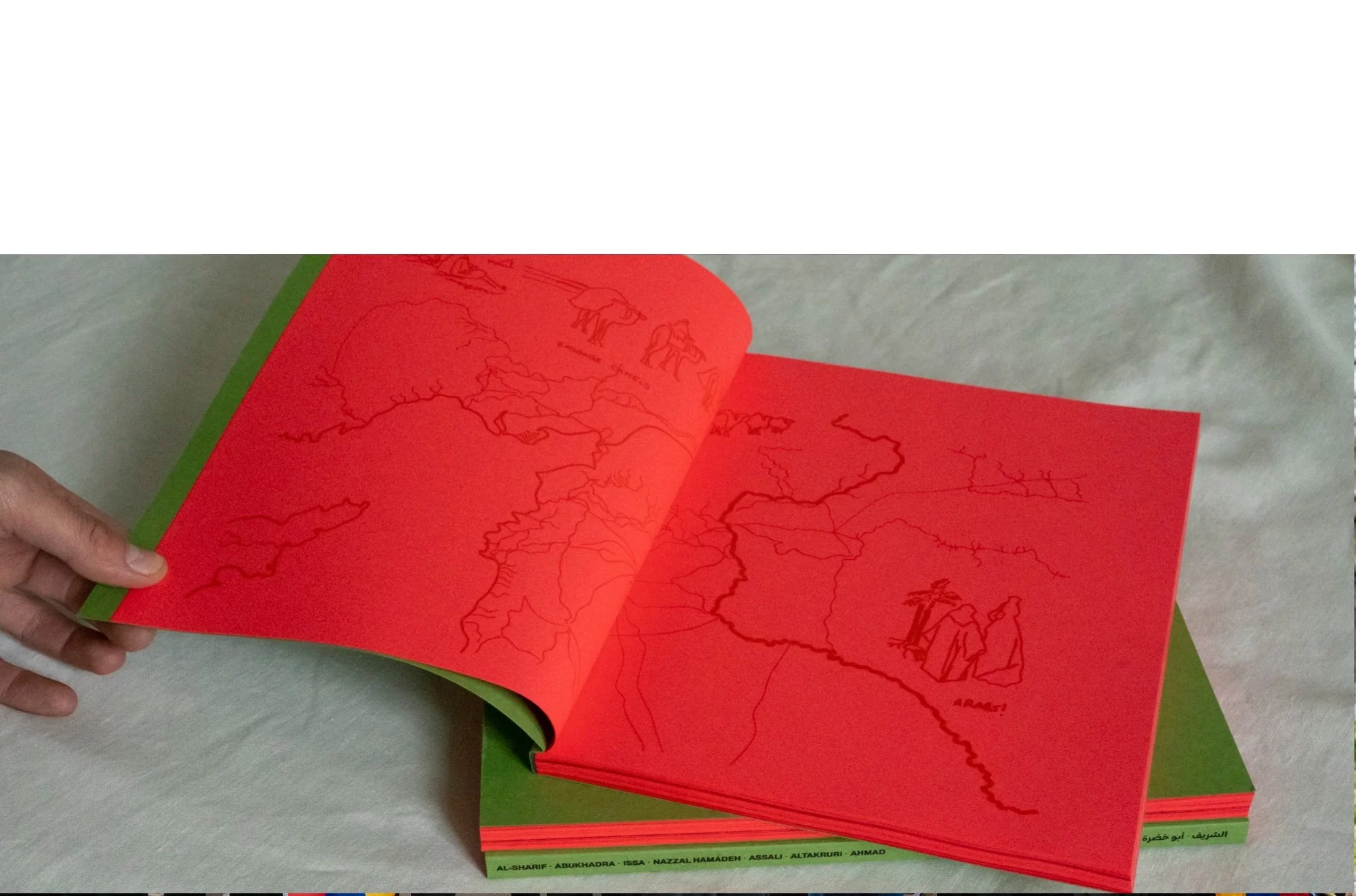
“Jadu’i Book,” curated by Philadelphia-based artist Rami George, is a nuanced archive of Palestinian diaspora, advocacy, resistance and grief.
By Gawhara Abou-eid
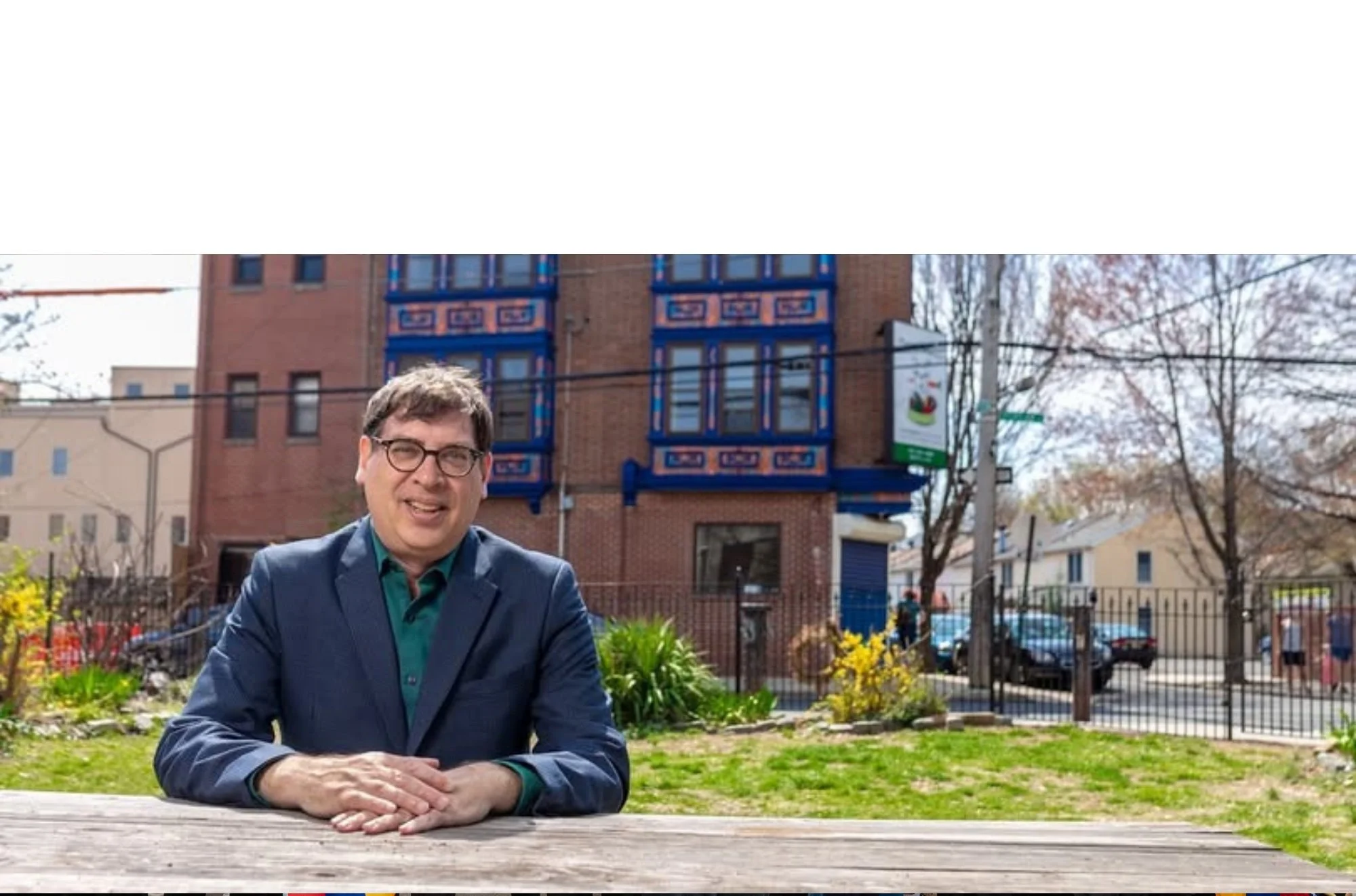
Marwan Kreidie discusses his political evolution, his belief in working “inside” institutions rather than outside them, the backlash he has received, and why he believes Arab American political influence has entered a new era.
By Gawhara Abou-eid
Research has found that community belonging reduces isolation and strengthens emotional well-being. And as a physician involved in community health and mental health education, Sakr believes that such gatherings can offer meaningful emotional support.
By Elissa Odeh
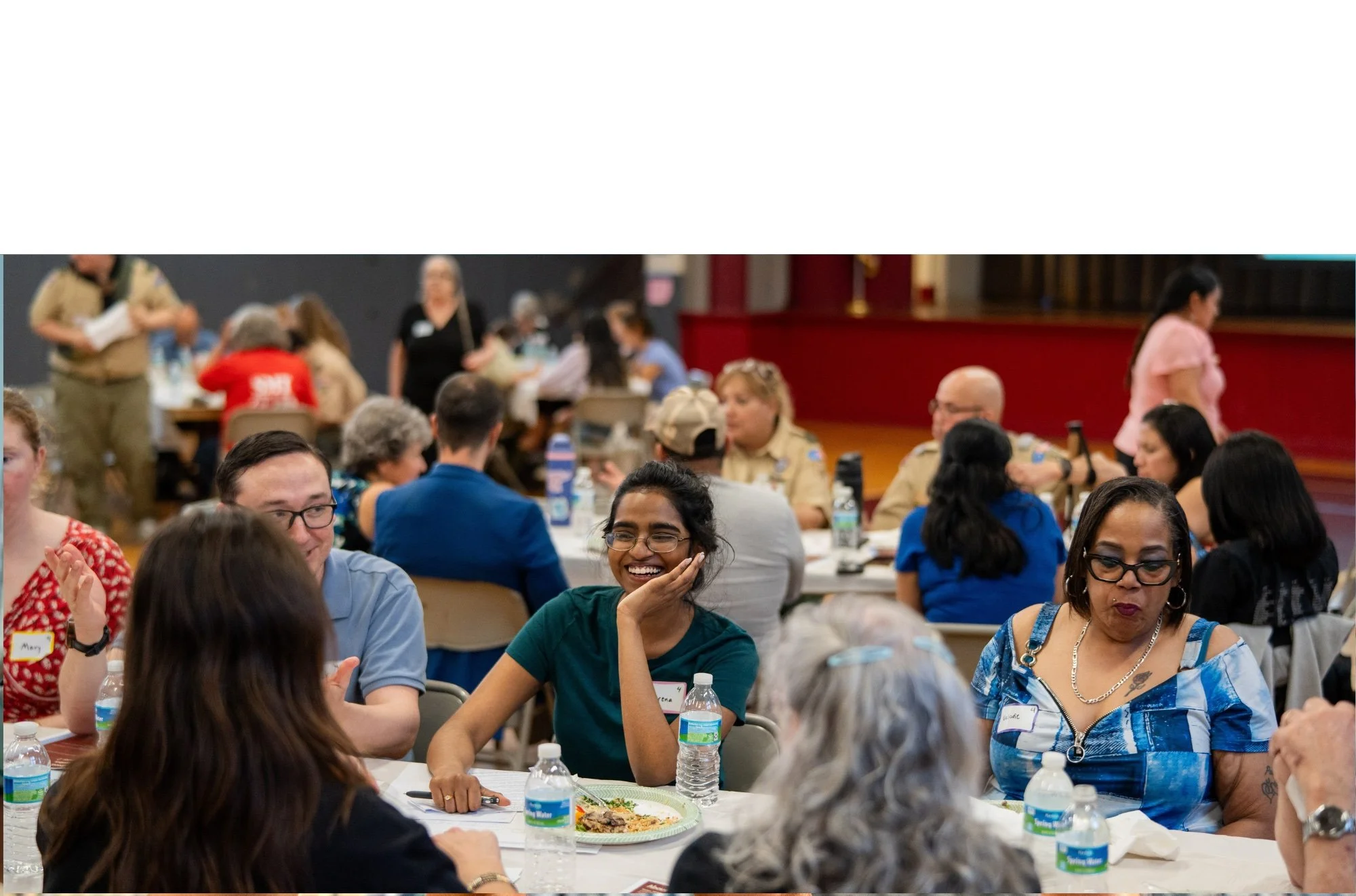
More than 110 people gathered on April 15 for The Welcoming Center’s Breaking Bread, Breaking Barriers initiative, a three-part dinner series held in seven Philadelphia neighborhoods, aimed at bringing neighbors together through food.
By Amna Khalafalla
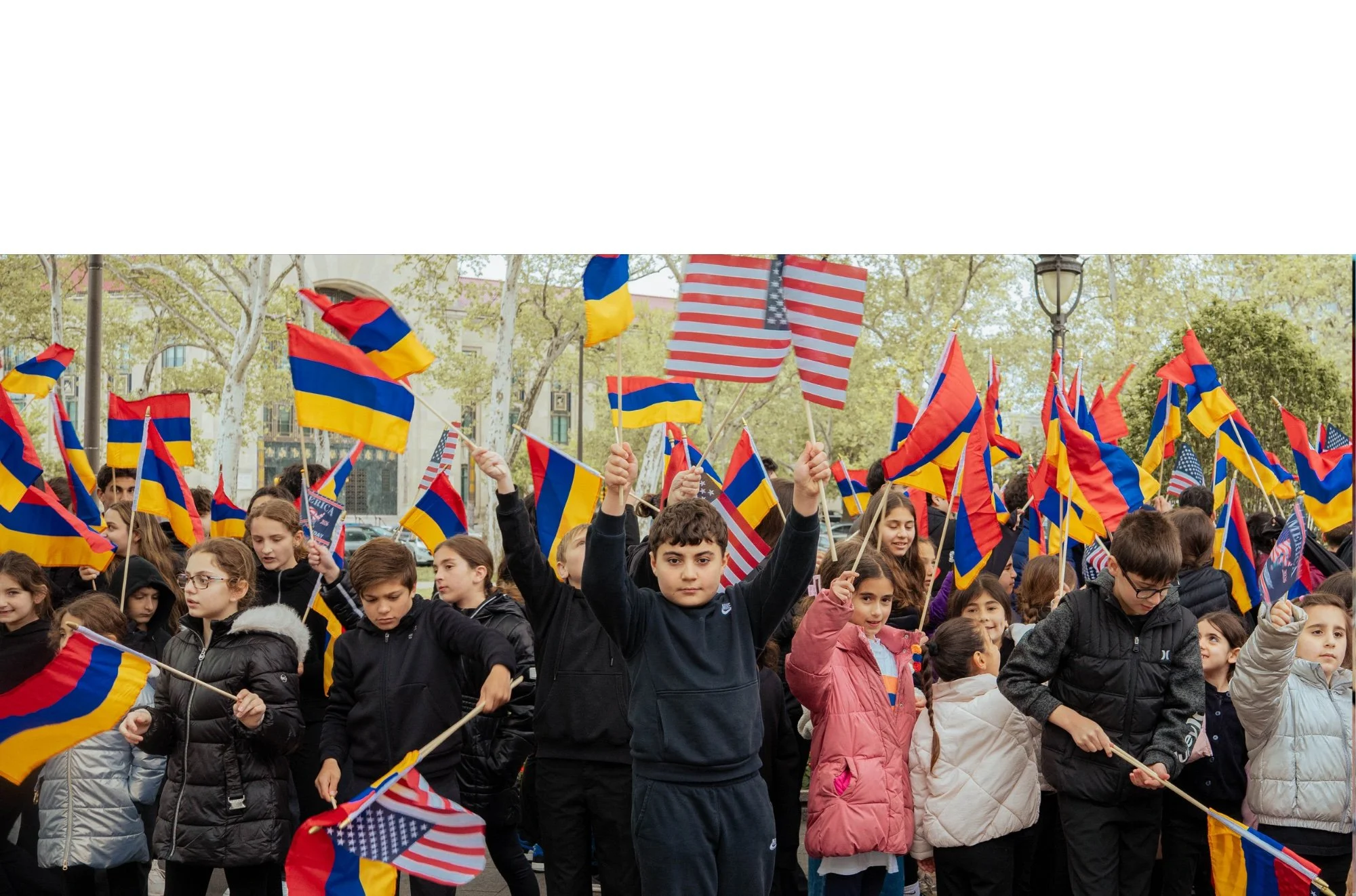
The Walk offers a scenic pathway around the “Young Meher” statue, which was completed in 1976 by artist Khoren Der Harootian (1909–1991) and dedicated that same year in commemoration of the 61st anniversary of the Armenian Genocide.
By Gawhara Abou-eid
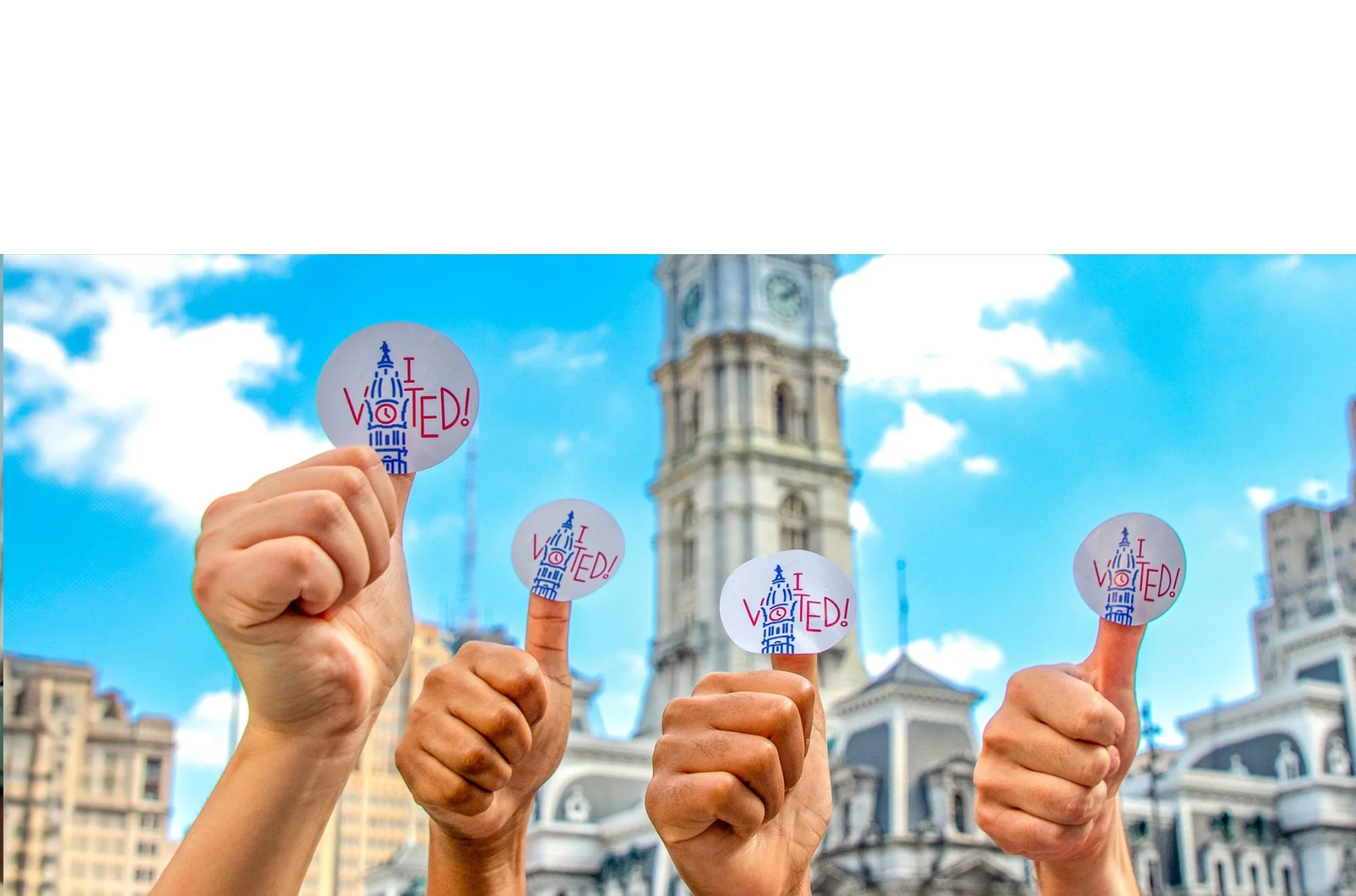
The proposal, known as House Bill 280, would allow the state’s roughly 1.4 million unaffiliated voters, 147,891 of whom are registered in Philadelphia County, to participate in primary elections by choosing either a Democratic or Republican ballot without formally joining a party.
By Joseph Fahim
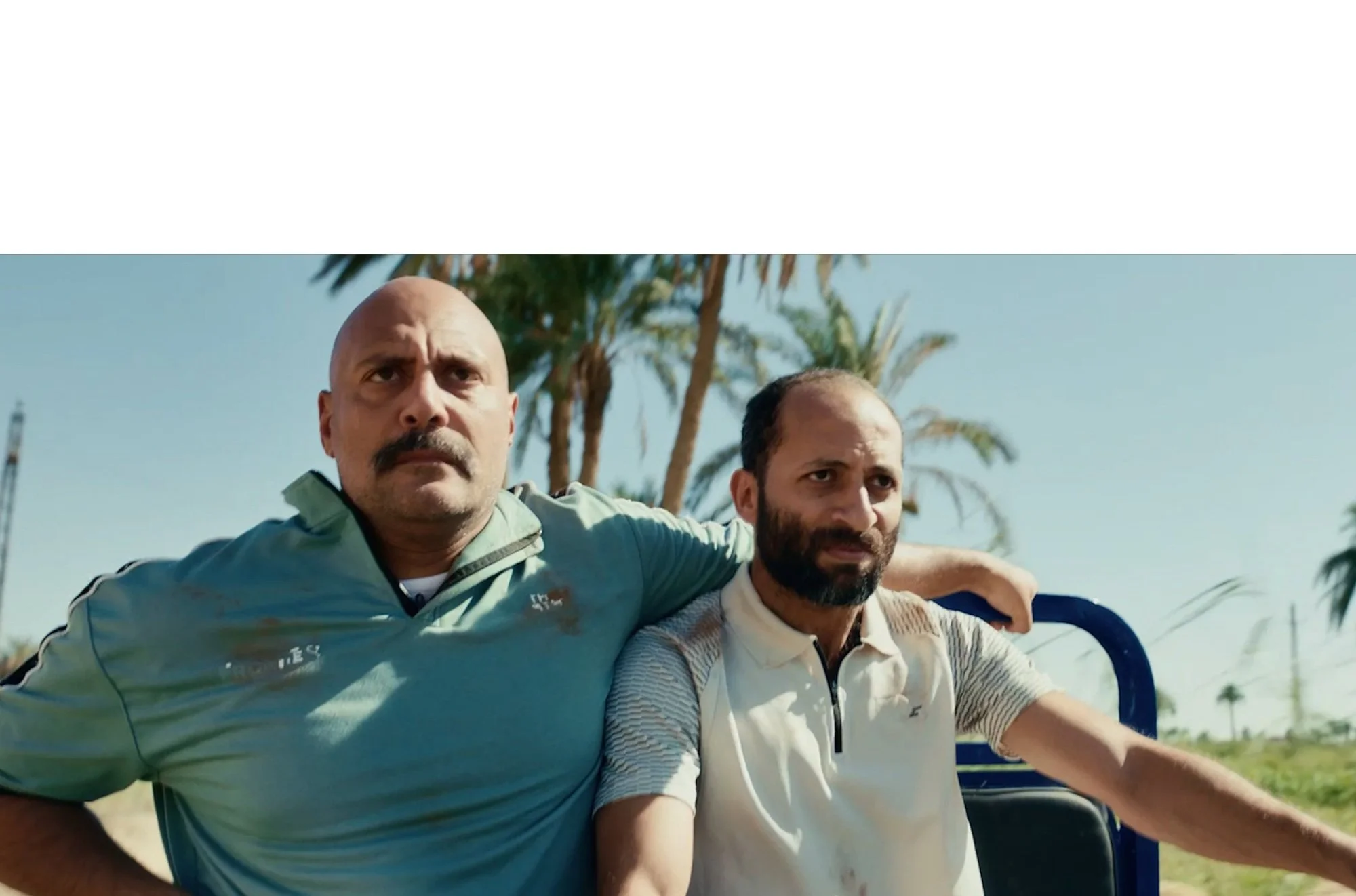
“Comedy doesn’t translate,” distributors and curators insist; cultural specificity, local pop culture references and the very rhythm and tone of humor are seen as impossible to universalize. Yet this is precisely why comedies are arguably the most authentic expression of their cultures.
By Amna Khalafalla
The March 10 ruling was not the first time lawmakers had tried to eliminate SAVE, a controversial initiative from its inception.
By Lauren Abunassar
“I’ve watched my mother go from relatively happy …to just watching nothing but the news. Sometimes it’s a bit unbearable. And you get a little mad, like: ‘Why do we have to constantly worry about our people?’”
By Gawhara Abou-eid
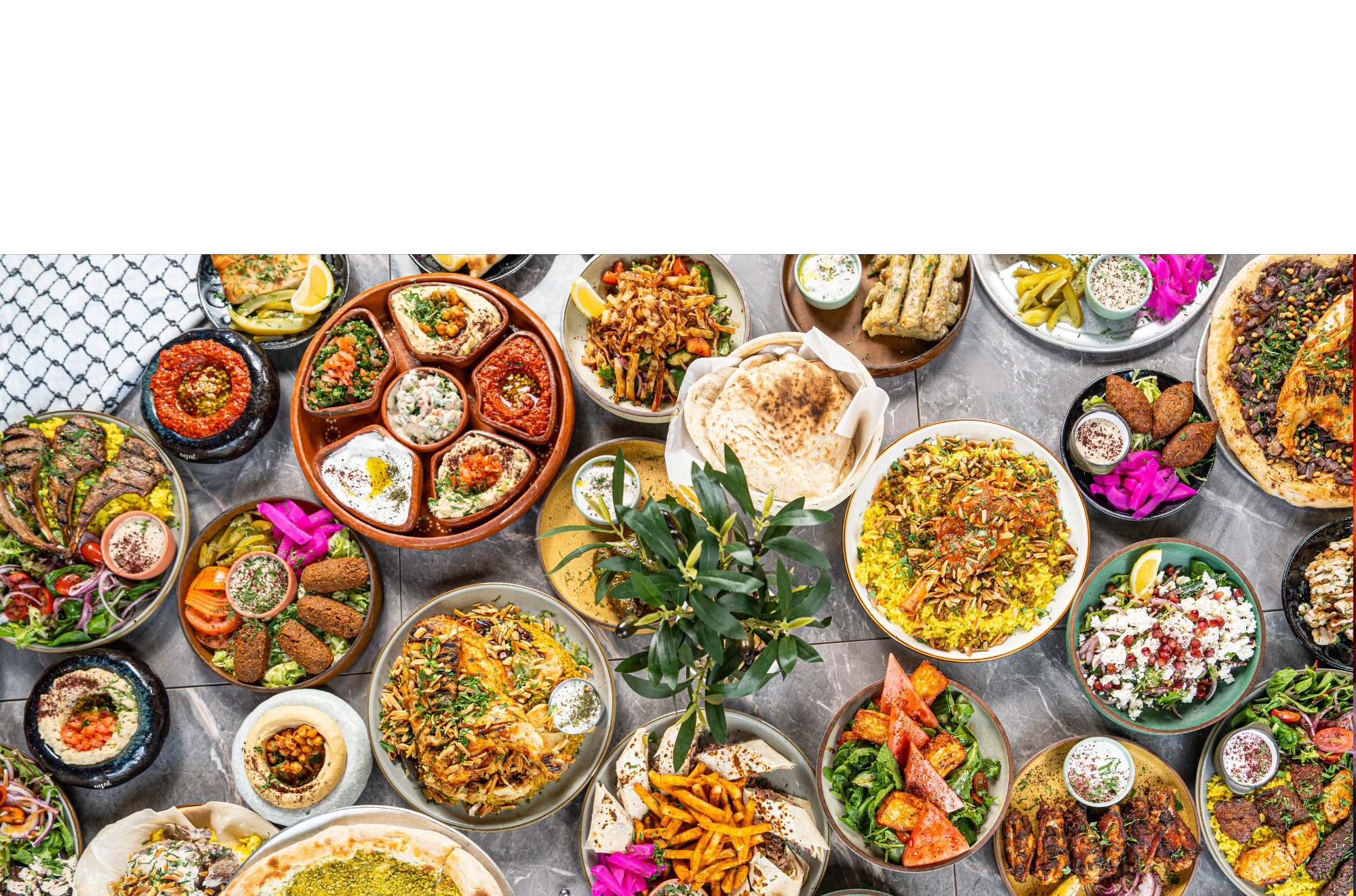
Along with business considerations, Elenani said he hopes the Philadelphia location deepens awareness of Palestinian cuisine in a way that feels “joyful and human.”
By Lauren Abunassar
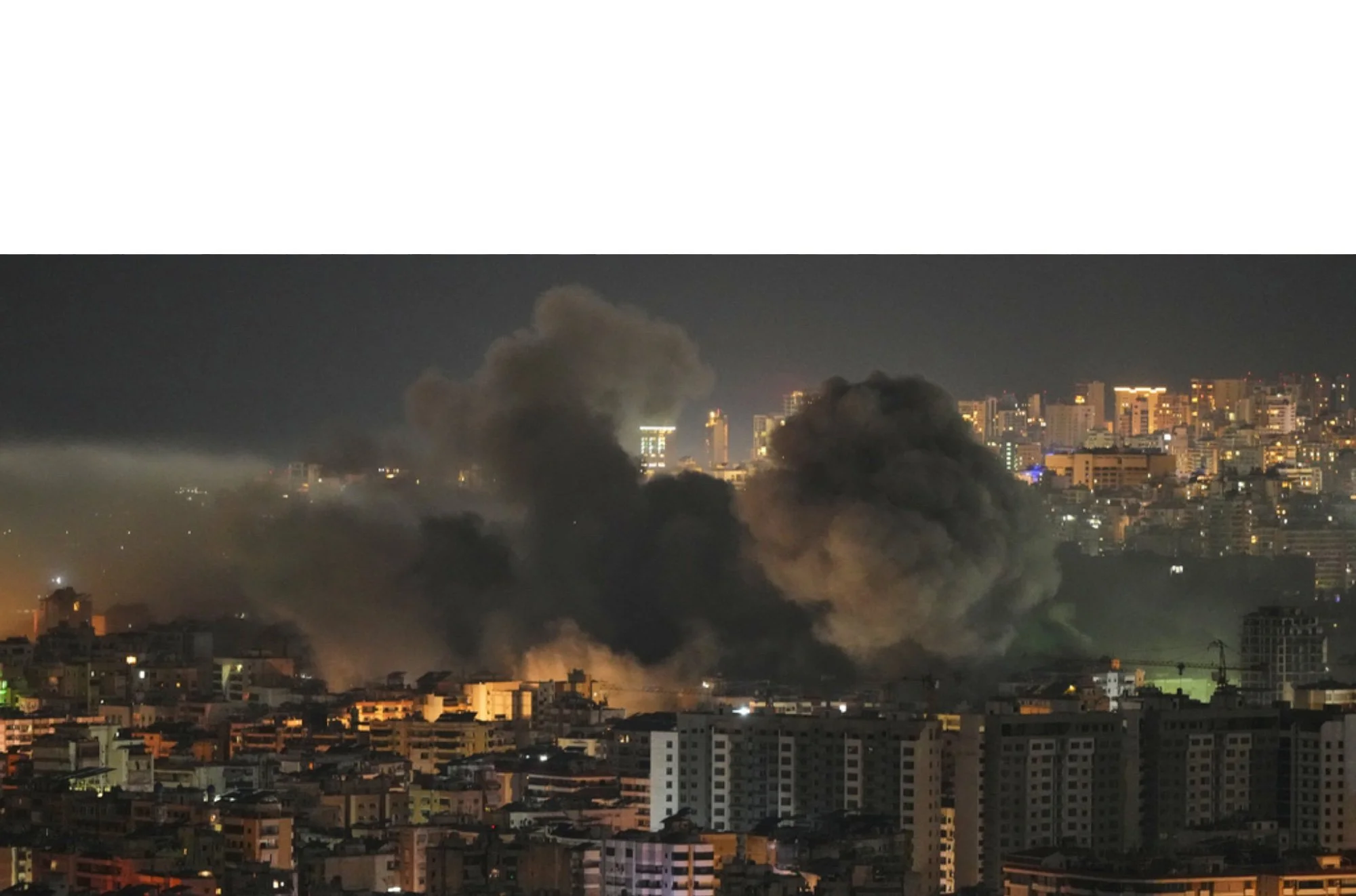
As the U.S. and Israel have escalated strikes on Iran and the death toll has risen, many in the Iranian diaspora are grappling with how, or if, one should embrace celebratory rituals in the face of such collective grief and uncertainty.
By Joseph Fahim
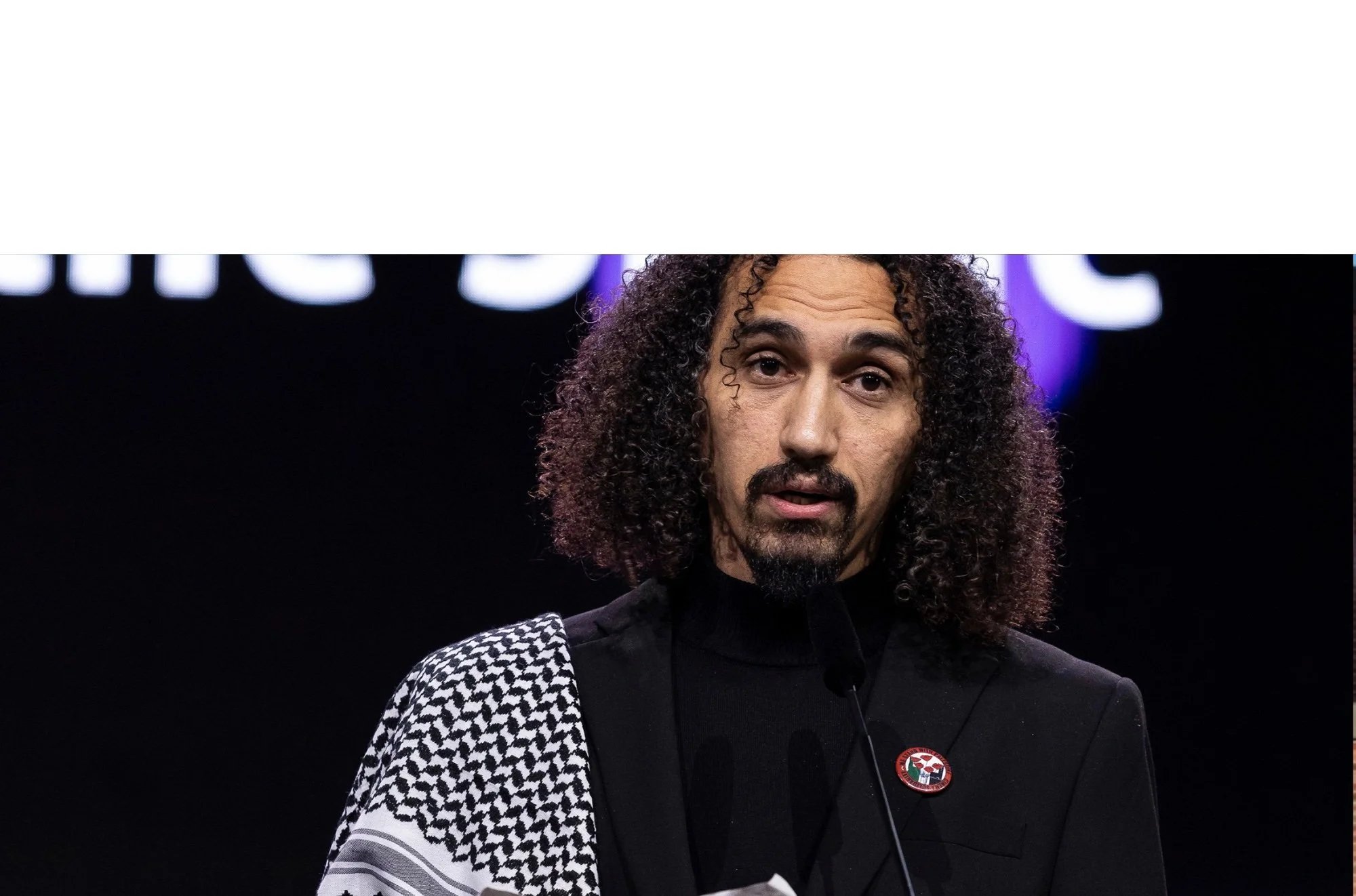
Film, however politically explicit, can rarely match the immediacy of a speech. Unlike cinema, which, no matter how direct, remains open to interpretation, a speech is an unambiguous articulation of an artist’s political stance, delivered in real time on a global stage.
By Gawhara Abou-eid
“Over the past four years, through information and resource sharing, schools are better equipped to be responsive to the needs of their community.”
By Kenza Bousseloub
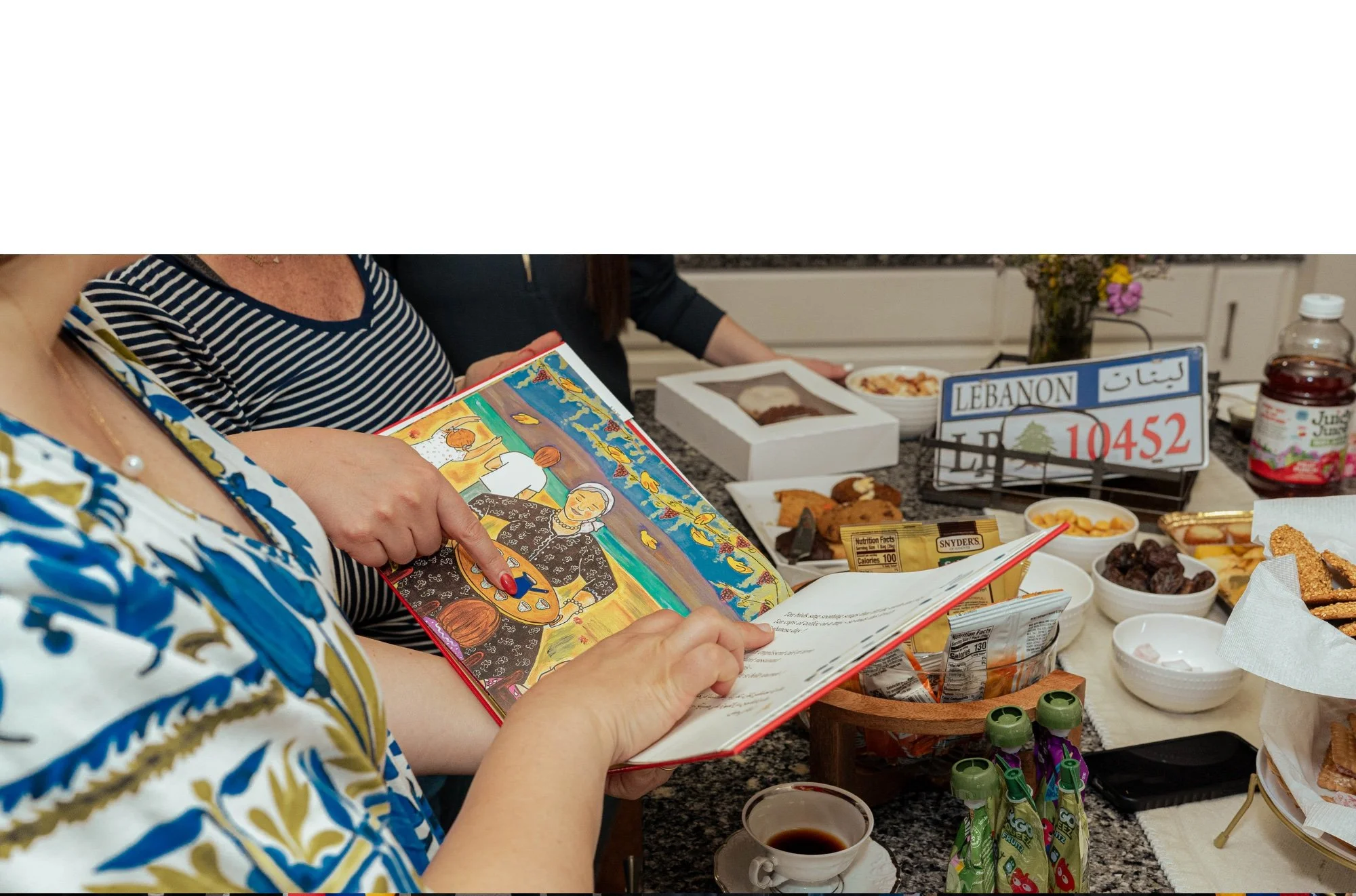
In this documentary short, two families — Sudanese and Lebanese — share their stories, reflecting on the sacrifices immigrant parents make, the debt their children feel they owe, and how each generation envisions a fulfilling life.
By Amna Khalafalla
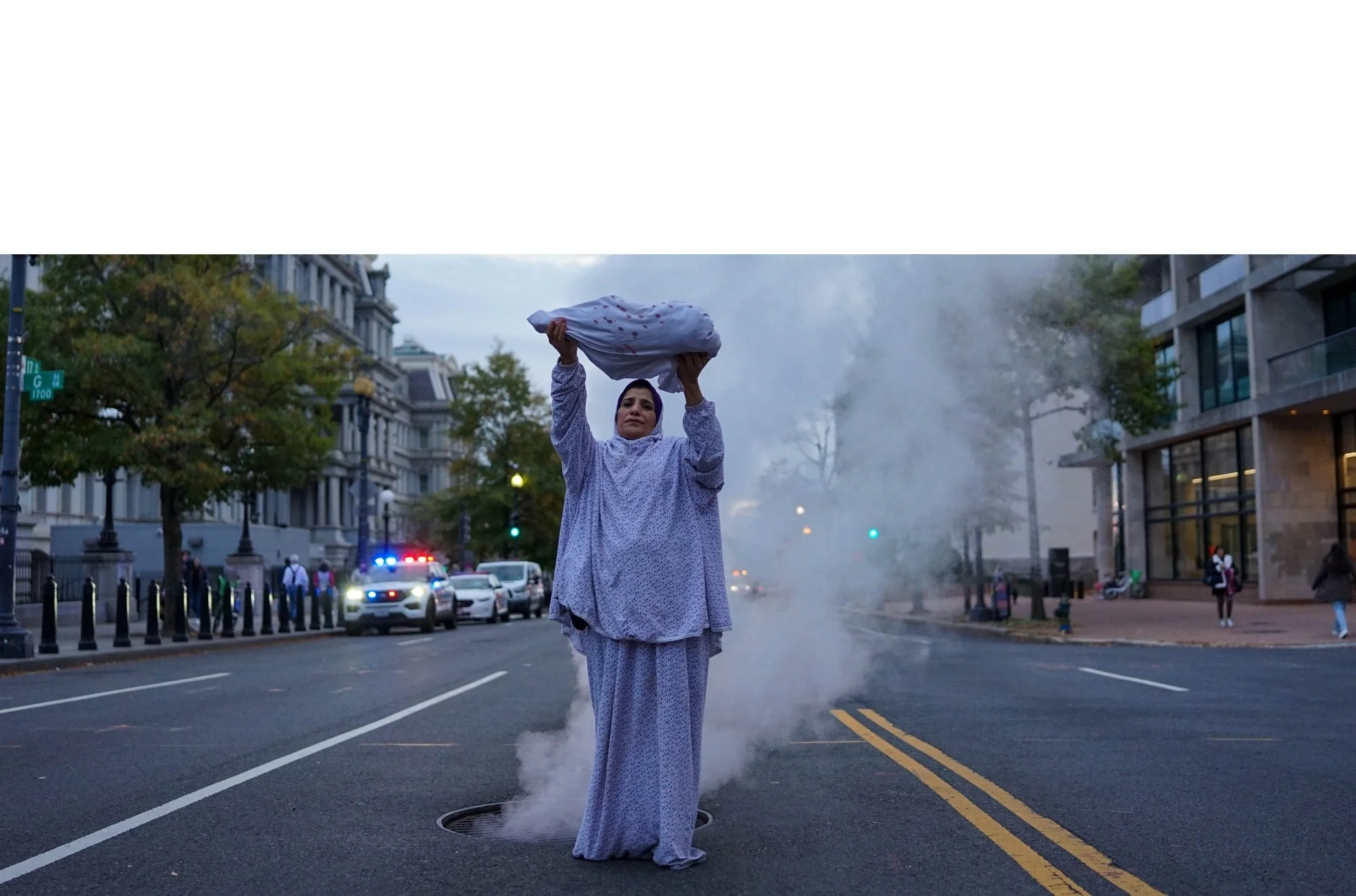
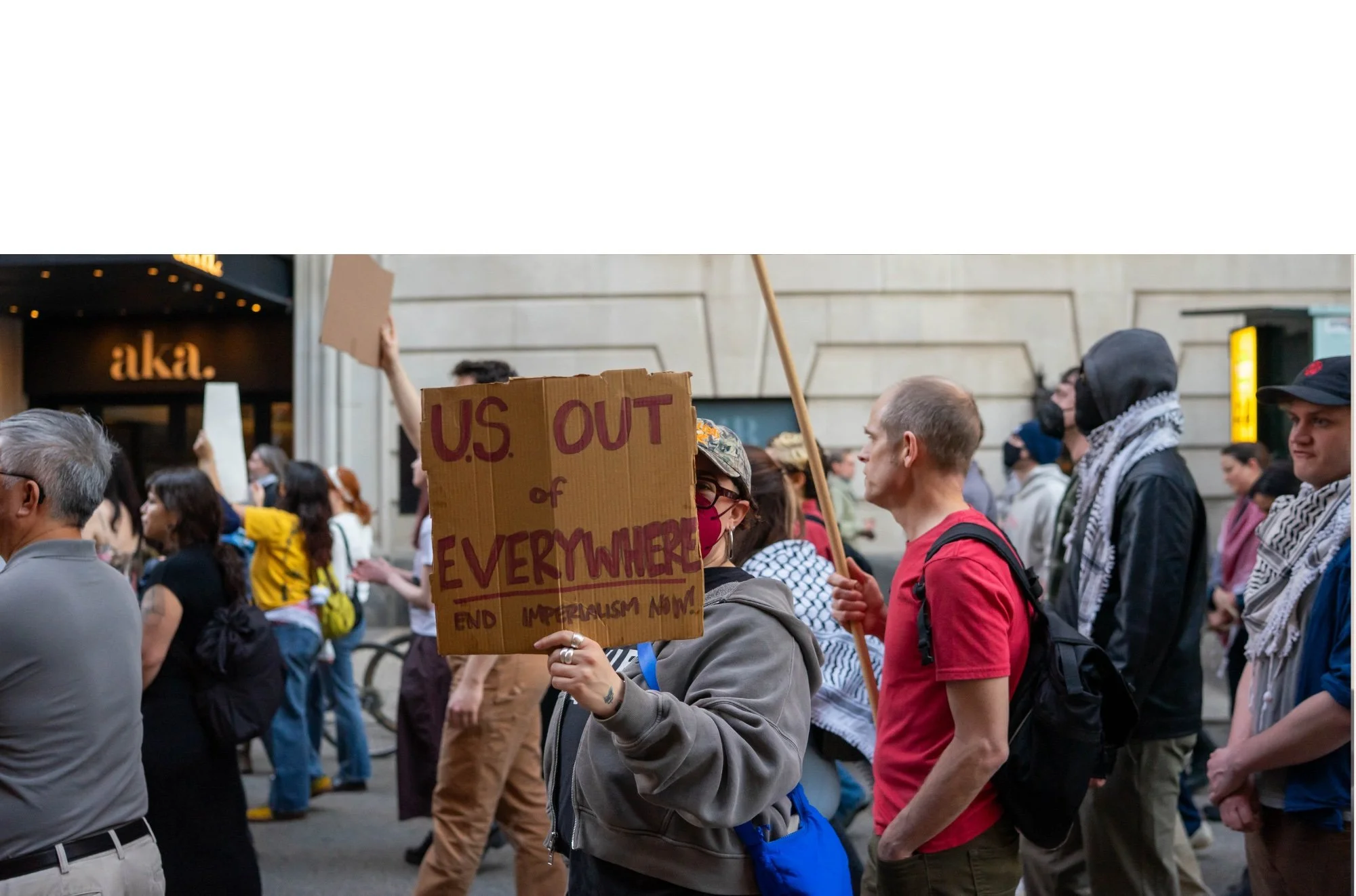
"I am here today because my country, which gave my grandparents refuge, is now bombing every place in the world where people need safety, for profit,” said one protester.
By Gawhara Abou-eid
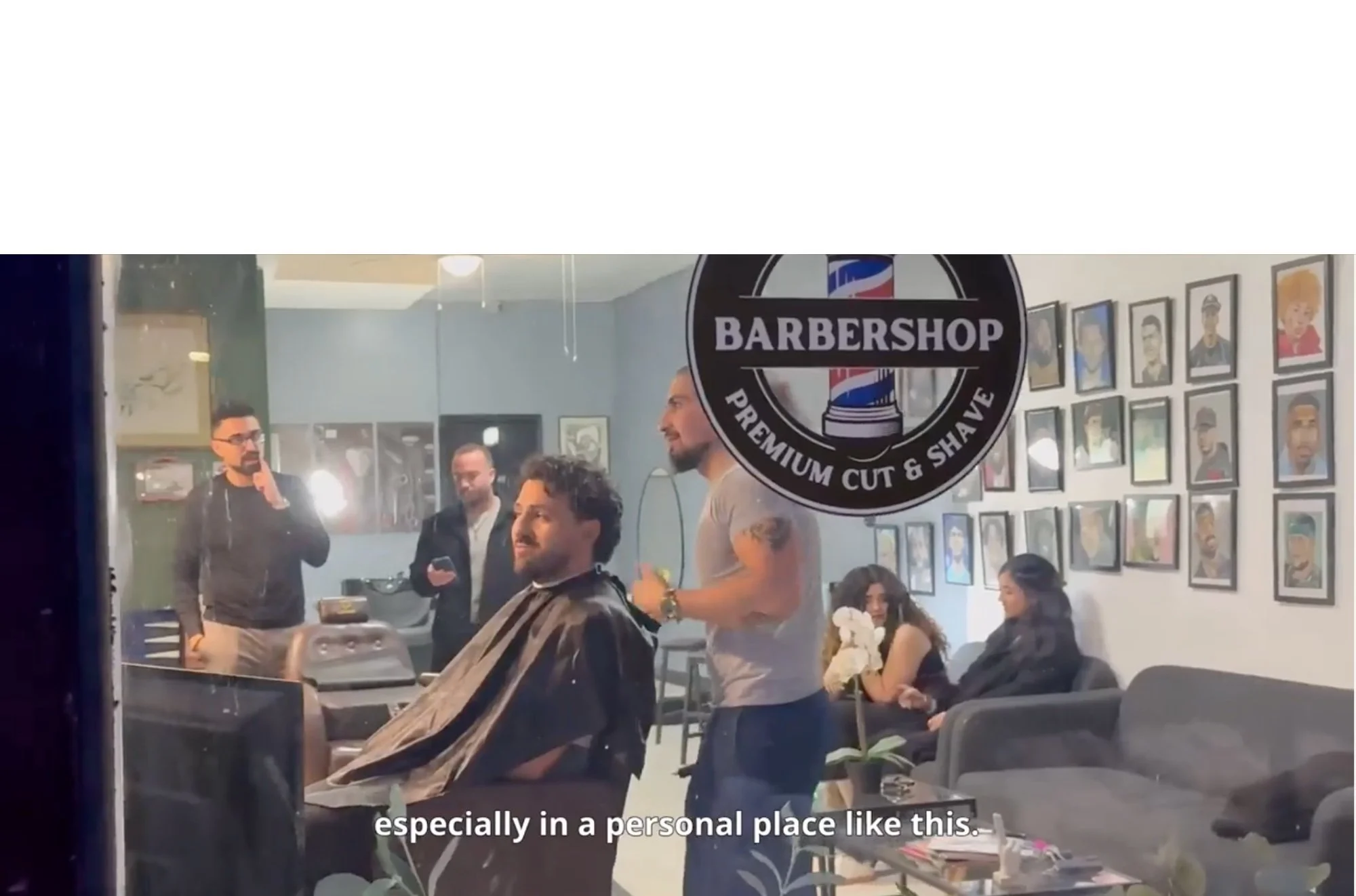
Ali Srour never planned to become a professional barber, but the Arab American regulars at Ali’s Barbershop on South Street are glad he did.
By Amna Khalafalla
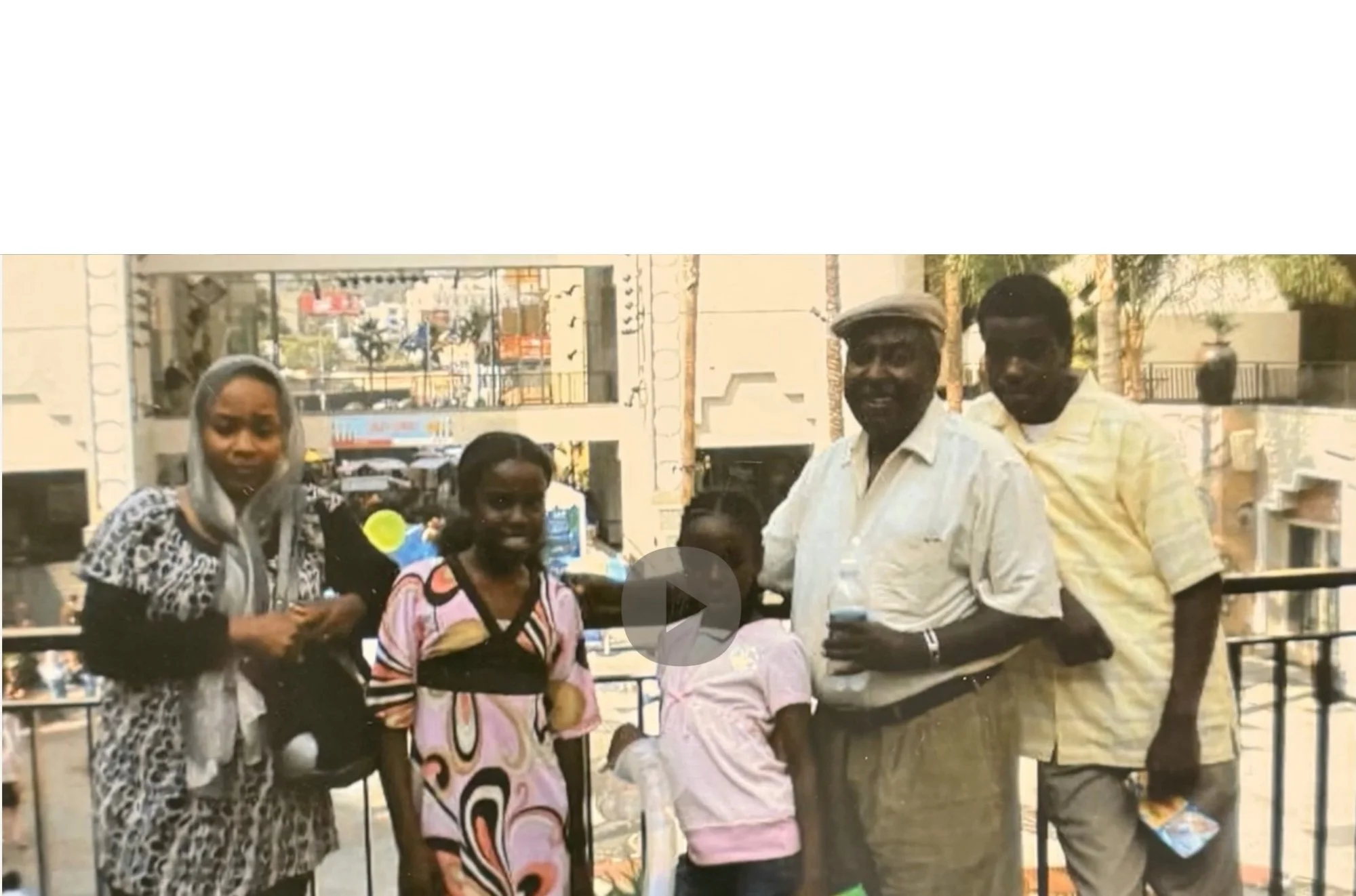
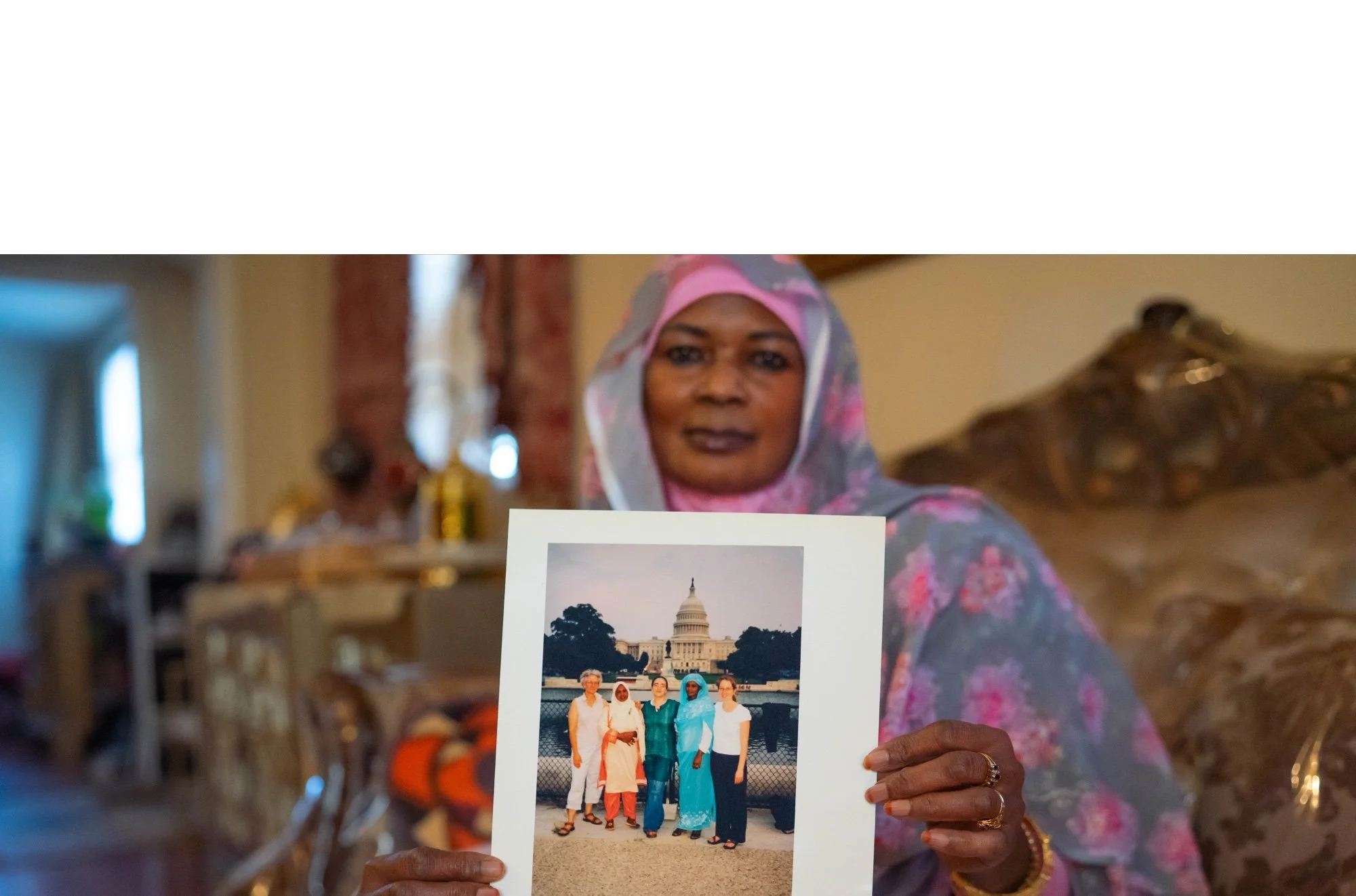
Fatima Haroun, who has advocated against the Darfur genocide as a member of the Philadelphia-based Darfur Alert Coalition, recalls that at one time, there was a sense of racial harmony in South Darfur, when Arab and African ethnic groups lived peacefully alongside each other.
By Lauren Abunassar
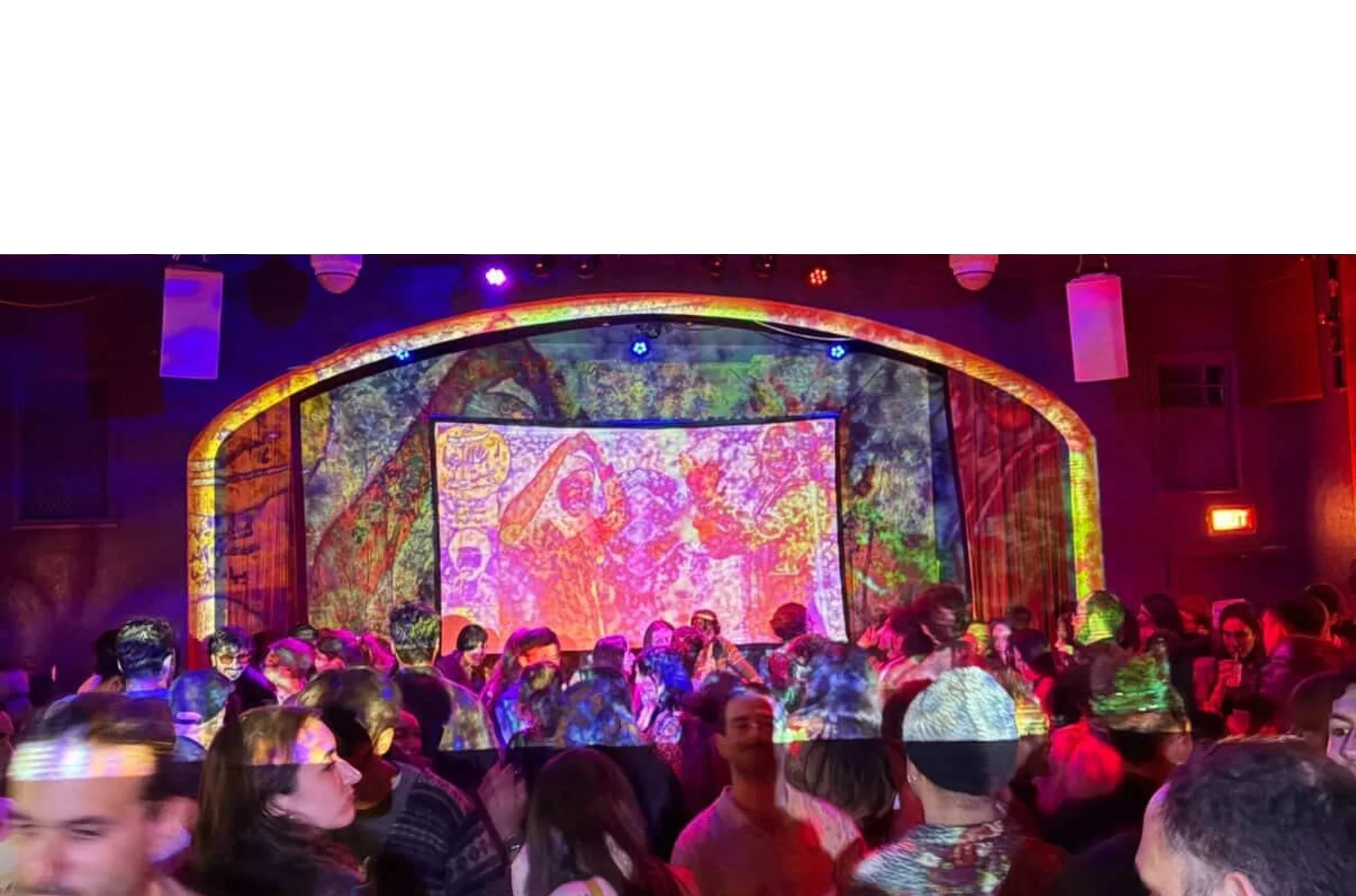
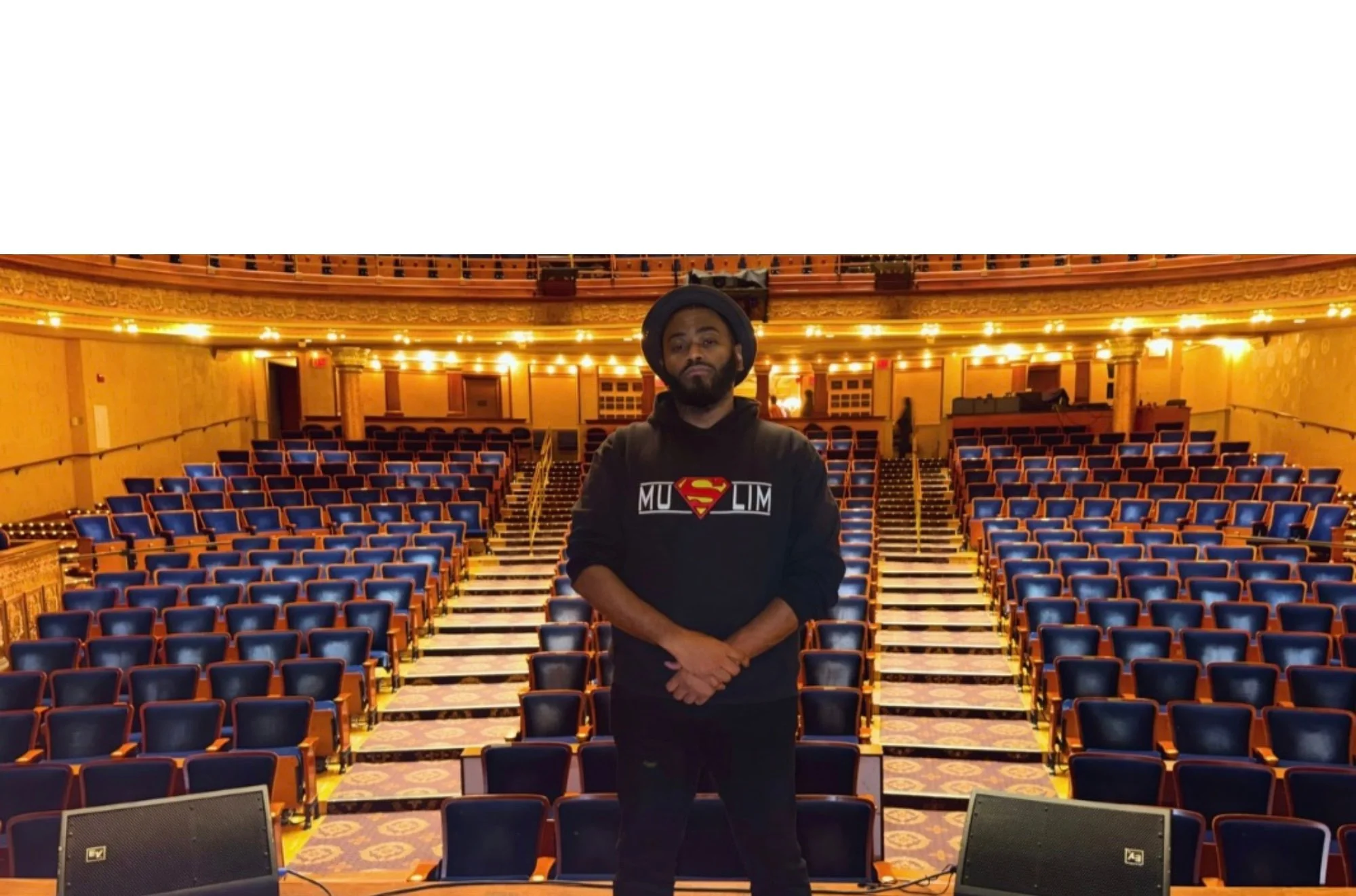
“When I'm on stage, I do feel a huge sense of obligation to make sure that the comedy that I'm doing and the environment that I curate for people is in line with what my ideals are. I’m a representation of something bigger than me.”